A Ukrainian drone strikes the largest refinery in Moscow Region
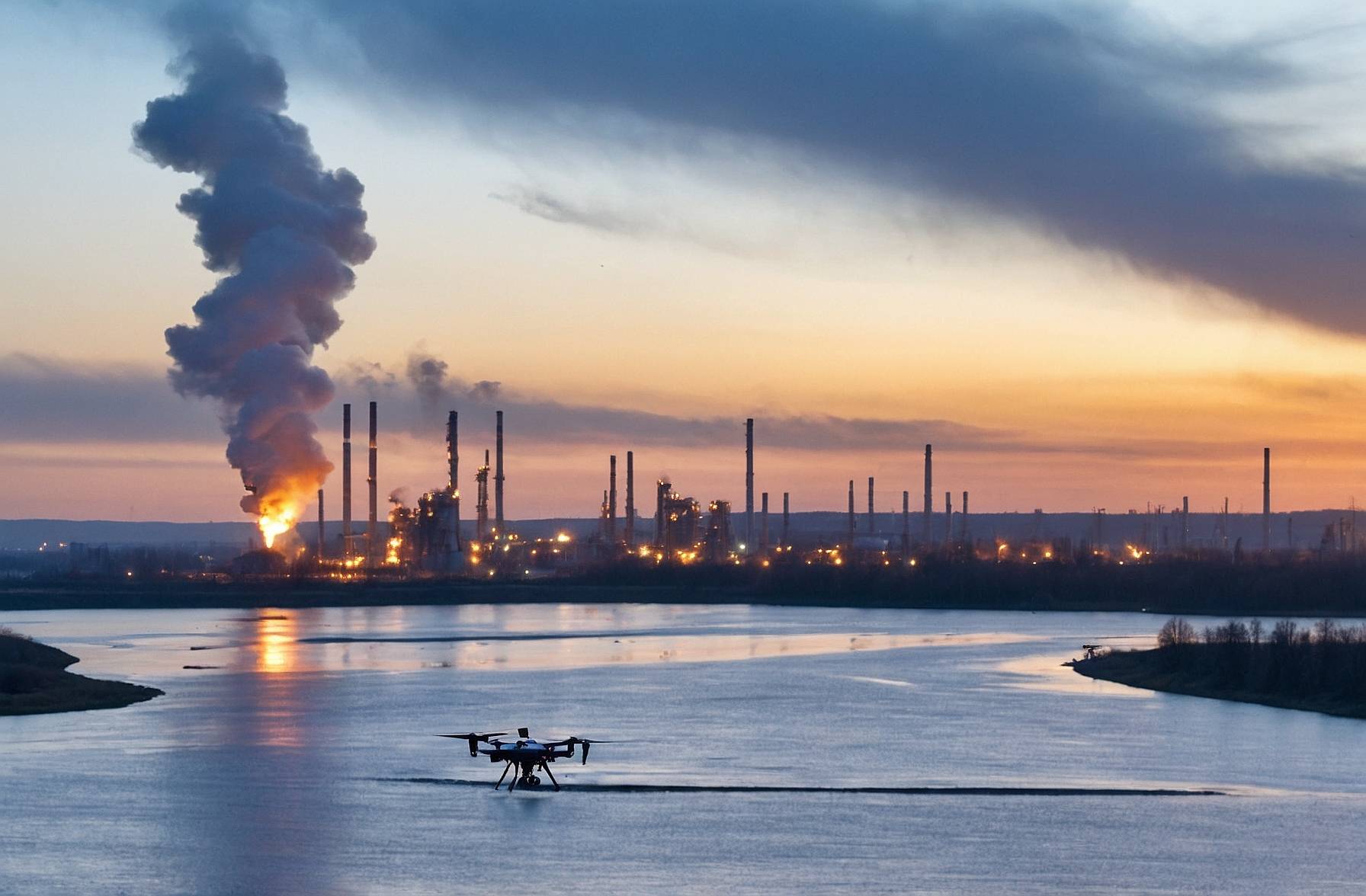
On Tuesday, a Ukrainian 'drone' caused a fire at the largest refinery in the Moscow region and damaged an 'a' facility. Oil producer Tatneft also announced a nationwide fuel purchasing cap. These are signs of how Kyiv is affecting Russian energy infrastructure.
Ukraine has doubled its attacks on oil refineries since the beginning of 2026. This has led to a decrease in gasoline, jet fuel, and diesel production.
Volodymyr Zelenskiy, Ukrainian President Volodymyr Zelenskiy stated that?the Gazprom refinery was struck from a range of 500 km (311 mi), illustrating the scope of Ukraine's long distance strikes.
"This is the just response to Russian attacks - and the prolongation of a war that must end," he said on X.
The local emergency services confirmed that the fire had been extinguished and operations had not been affected. Moscow Mayor Sergei Sobyanin had earlier said that a facility on the site was damaged without providing further details.
According to the most recent data, this plant has been targeted numerous times. It processed 11.6 millions tons of oil by 2024 and produced 2.9 million tonnes of petrol, and 3.2million tons of diesel.
Gazprom Neft has not responded to our request for comment.
Fuel supply has been disrupted in a dozen Russian regions?in the last few weeks, but the central authorities have described these issues as localised bottlenecks.
The long queues for gas in the Russian-controlled Crimea region and the southern Krasnodar region highlight the domestic impact of Ukraine's strike.
Tatneft, an oil producer, announced on?Tuesday that it would be implementing restrictions on fuel purchase at hundreds of its stations in Russia. It is the first retailer to implement national caps.
According to a witness, a 'Tatneft Station in Serpukhov District, south of Moscow, limited sales to 20 litres per car of gasoline or diesel, and accepted only cash.
(source: Reuters)