The Iran War threatens to have a long-lasting impact on global energy markets
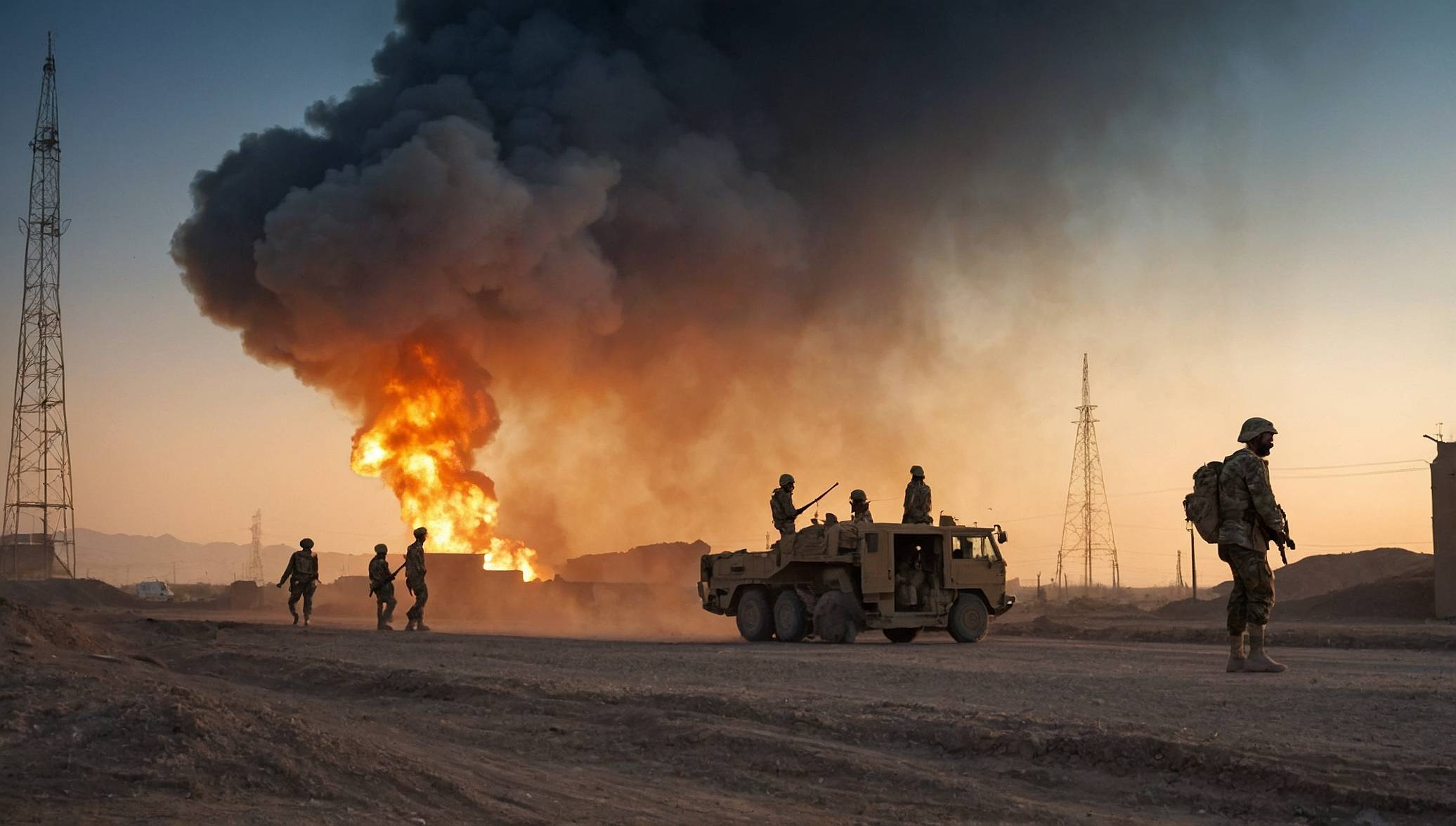
Even if the conflict with Iran ends soon, consumers and businesses could face weeks or even months of higher fuel prices. This is because suppliers are dealing with damaged facilities, disrupted logistic, and increased risks in shipping. This outlook is a greater threat to global economic stability and a political vulnerability to U.S. president Donald Trump as we approach the midterms. Voters are sensitive to energy costs and do not like foreign involvement. In a Friday research note, JP Morgan analysts stated that the market has shifted from pricing geopolitical risks to dealing with operational disruptions as refinery closures and export restrictions begin to affect crude processing and regional supplies. Tehran has targeted ships in the Strait of Hormuz, which runs between its shores, and Oman. It also attacks energy infrastructure throughout the region. The conflict is already leading to the suspension of a fifth of the global supply of crude oil and natural gas. The global oil price has risen by 24% to $90 per barrel this week, and is on track for its steepest weekly gain since the pandemic. This will increase fuel prices worldwide. The region's major oil producers, Saudi Arabia, United Arab Emirates (UAE), Iraq and Kuwait, have been forced to stop shipping 140 million barrels of crude oil to global refiners due to the near-complete closure of the Strait. This is equivalent to 1.4 days worth of global oil demand. Analysts, traders, and sources say that as a result of the Middle East Gulf oil and gas storage facilities rapidly filling up, the oil fields in Iraq are forced to reduce oil production. Kuwait and the United Arab Emirates will most likely be next.
A source from a state-owned oil company in the area, who declined to be identified, said that "at a certain point, everyone else will shut down if vessels don't come."
Amir Zaman is the head of Rystad's Americas Commercial Team. He said that it could be a long time before oilfields in the Middle East are back to normal.
He said that the conflict could end, but it might take days, weeks, or even months to get the production up to where it was before. This depends on the age and type of field, as well as the kind of shutdown they had to perform.
Iranian forces are also targeting energy infrastructure in the region, including refineries, terminals, and forcing them to close. Some of these operations have been badly damaged and need repairs. Qatar declared force majeure Wednesday on its massive volumes of gas exported after Iranian drone attacks. It may take up to a month for the production to return to normal levels, according to sources. Qatar provides 20% of the world's LNG. Saudi Aramco has closed its mammoth Ras Tanura crude export terminal and refinery due to the attacks. However, there are no details about damage. White House justified the attack by claiming that Iran posed a threat to the United States. However, it did not provide any details. Trump has also said he is concerned about Iran's attempts to acquire a nuclear bomb.
DANGER IN STRAIT
Markets would be soothed by a quick end to war. It could take several weeks or even months to return to the pre-war level of supply and prices, depending on how badly the infrastructure and shipping have been damaged.
Joel Hancock is an energy analyst at Natixis CIB. He said: "We haven't seen any structural damage yet, but the risk will remain as long as war continues."
How and when will the Strait of Hormuz be safe for shipping again? This is the biggest question in energy supply. Trump has promised insurance support for vessels in the area and offered to escort oil tankers. Intelligence and military sources say that safety on the waterway is unlikely, because Iran can sustain drone attacks for months.
By exposing the risks of low inventories, the conflict may also encourage countries in the months and weeks following the end of the conflict to replenish their strategic oil reserves. This would boost demand for oil and prices.
GLOBAL ECONOMIC AND POLITICAL RISK
The disruption of energy shipments has reverberated through Asia's supply chains and economy, which is heavily dependent on imports. 60% of the crude oil it uses comes from the Middle East.
Sources said that Mangalore Refinery & Petrochemicals in India declared force majeure for gasoline export cargoes. This refinery joins a growing list of refineries across the region who are unable to meet sales contracts because of a lack of supply.
At least two refineries in China have reduced their production. China, which is a major supplier in the region, asked refineries to stop fuel exports. Thailand has suspended its fuel exports and Vietnam has stopped crude shipments. The disruption has boosted Russia's economy. The U.S. gave Indian refiners a 30-day exemption to purchase Russian crude in order to replace lost Middle East supplies. Washington had threatened India with tariffs if it didn't cut its Russian oil imports.
Baseload power futures in Japan, the world's No. 2 LNG importer, for the fiscal period starting in April have risen by more than a quarter this week, on the EEX, in anticipation of rising fuel prices. In Seoul, drivers queued at petrol stations to prepare for higher fuel prices.
Gas shortages and higher prices have been a double blow to European consumers. Due to the sanctions on Russian energy imports imposed after Russia invaded Ukraine 2022, the region has been hit hardest by the disruption of?gas supply.
Europe imported LNG to replace Russian pipeline gas. Europe needs to purchase 180 more LNG cargoes this year than last to reach the gas storage levels it requires before winter.
Supply risks for the United States have decreased as the country has become the largest oil and natural gas producer in the world. However,?U.S. Fuel and crude oil prices are affected by international crude markets. Pump prices for gasoline and diesel will be affected, even if the domestic supply is abundant.
AAA reports that the average price of gasoline in the U.S. was $3.32 per gallon on Friday. This is a 34-cent increase over last week. Diesel prices rose to $4.33 per gallon from $3.76 last week.
As they prepare for the midterm elections, Trump and his Republican colleagues face a serious risk as higher prices at gas stations.
Mark Malek is chief investment officer of Siebert Financial. He said that gasoline prices have a psychological impact. They are the inflation numbers that consumers see each and every day." Reporting by Valerie Volcovici and Timothy Gardner; Editing by Richard Valdmanis Simon Webb, Anna Driver, Heejungjung, Yunji Ha.
(source: Reuters)


