Shell anticipates a 65% increase in global LNG demand between 2050 and 2050
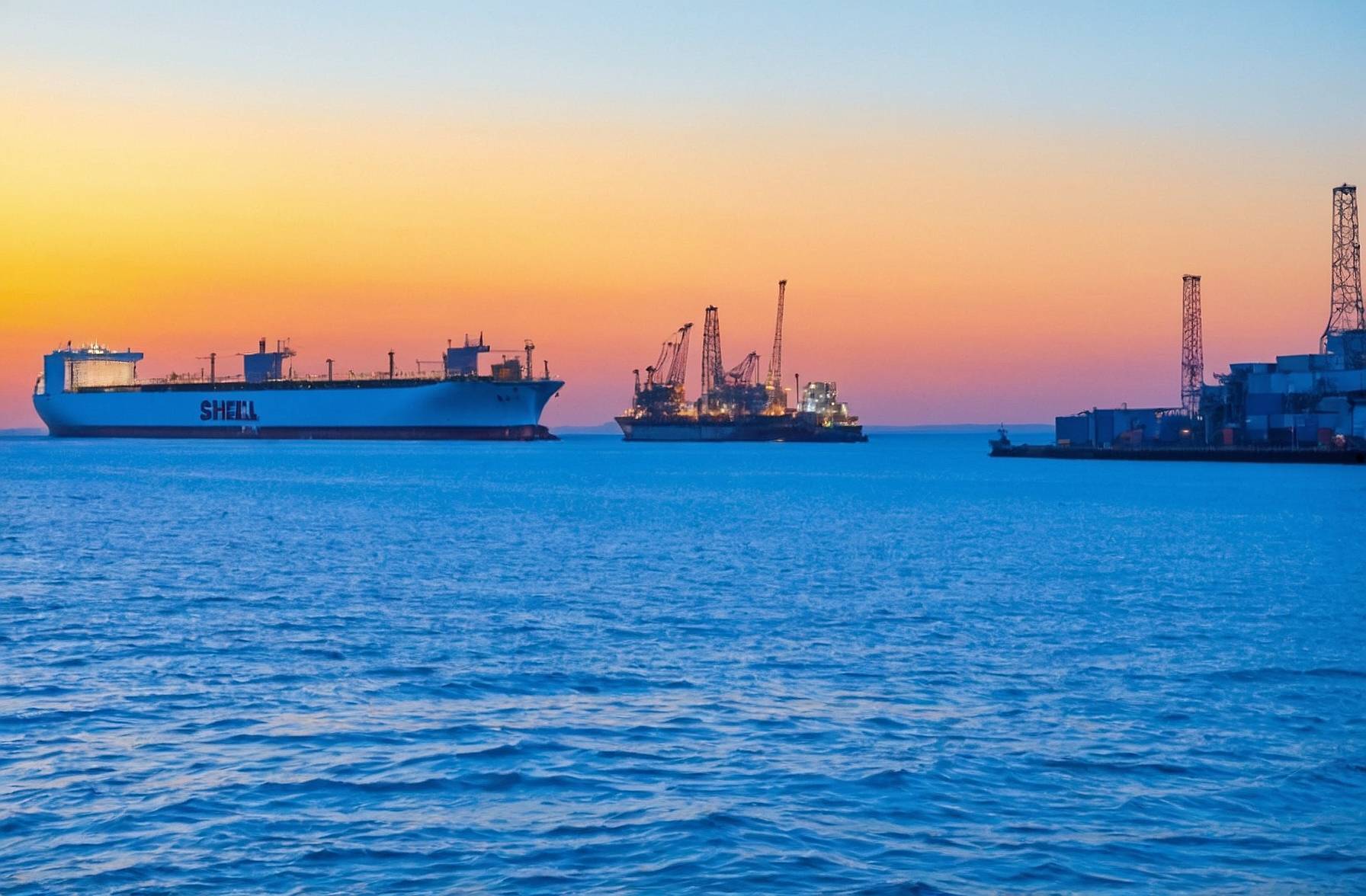
Shell's annual report said that the global demand for liquefied gas is expected to increase by 65% by 2050. This will be driven by Asia, as many countries are looking to lower-emission alternatives than coal, and data centres drive up power demand.
In its 2026 LNG outlook, the world’s largest LNG trader said that global demand will likely reach 700 million metric tonnes a year.
The report stated that the LNG trade, which was expected to reach 422 million tonnes in 2025, would increase in 2026. Since the Middle East conflict began, the severe disruption of shipping through the Strait of Hormuz - which has caused a shutdown of around one fifth of the global monthly LNG supply - has led to a reduction of about 40% of the current LNG production.
Shell stated that if the shipping in the Strait returns to normal in this summer and then to growth in 2027,?global LNG trading in 2026 may be similar to what it was last year.
Cederic Crémers, Shell's President of Integrated Gas, stated in the report that the conflict had created a "system-wide shock" with disruption cascading through all sectors of the economy. However, the LNG industry was resilient and adaptable to changing market conditions.
The company stated that recent growth in the?LNG infrastructure and supply had helped improve?market resilience, and limit the impact of disruptions to shipping through Hormuz.
The addition of new liquefaction plants in North America, better performance at existing facilities, and slower Asian LNG exports have all helped to offset the reduced Middle East supply.
Shell stated that although Asian LNG spot prices were above $20 per million British Thermal Units at the height of the Middle East Crisis, they are still well below the levels of 2022, following Russia's invasion in Ukraine. This reflects greater resilience? in the LNG market.
NEED FOR NEW INVESTMENTS
By 2030, it is expected that 180 million tonnes of LNG will be added to the market annually. This will improve the affordability and availability of gas as well as open up new markets.
South and Southeast Asia is expected to account for 40% of the global LNG imports by 2050, as countries look to lower-emission alternatives than coal to meet rapidly increasing energy demand.
The report stated that data centres in more mature Asian markets, such as Japan are emerging as new sources of "power demand".
Shell stated that LNG would continue to play an important role in European energy safety?and balance intermittent renewable electricity generation, as domestic gas production decreases.
In order to meet the rising demand for LNG, it will be necessary to invest in additional projects through 2030 and 2040. Around?200 millions tons of liquefaction capacity per year is required, on top of those already under construction.
Cremers stated that "despite the need for more investment, both in supply and demand infrastructure, the long-term outlook is still positive and LNG will remain a stabilising factor in the global energy market." (Reporting from Marwa Rashad, Stephanie Kelly and Emily Chow in London; Editing by Jan Harvey).
(source: Reuters)


