Russia and Iran lead the surge in gas flaring, reducing global hopes for ending the practice
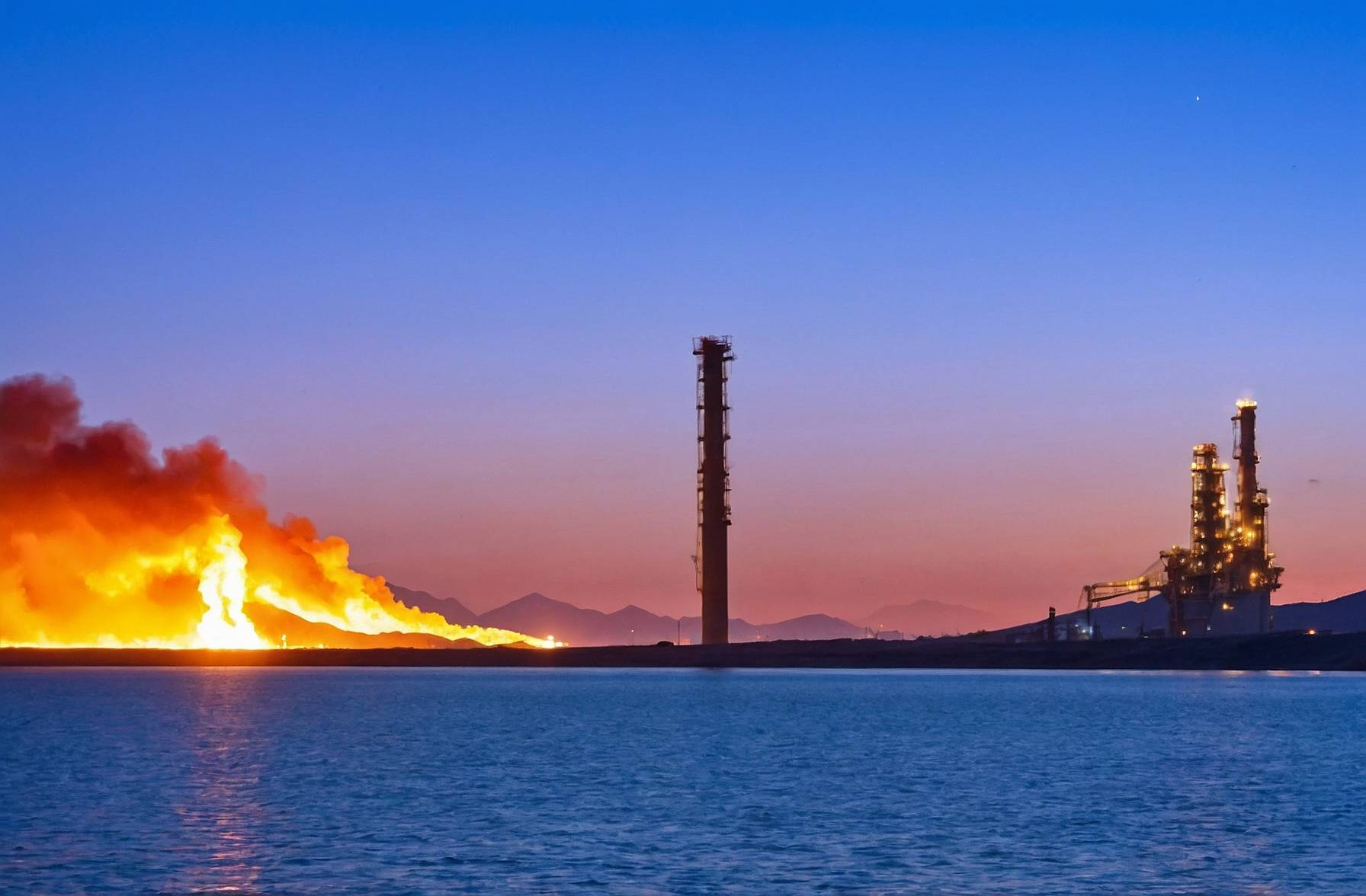
According to data from the World Bank, global?gas flaring reached a six-year peak in 2025. This was largely due to increases in Russia, Iran and other countries. These trends are preventing efforts to stop the burning of?gas alongside oil?by the decade's end.
According to the World Bank’s Global Gas Flaring Tracker, flaring increased for the third consecutive year, reaching 167 billion cubic meters. This represents a waste of approximately $54 billion in gas, and is outpacing global oil production growth.
Data points to the central challenge facing the World Bank's initiative to eliminate routine flaring by 2030: global progress is heavily dependent on a small number of oil-producing nations where poor infrastructure, limited markets for gas, financial constraints, and uneven enforcement are slowing investment in gas processing.
Demetrios Papthanasiou is the global director of energy for World Bank Group. He said: "Continued flaring has a high cost to economic development at a time where many countries struggle to find affordable and reliable energy.
"The technologies and methods needed to capture and use associated gas have been well-established. Gas utilization is still not a part of the oil production plan in many oil producing countries. Infrastructure investment and regulatory enforcement are often lagging, said Zubin Bamji, manager for the World Bank’s Global Flaring and Methane Reduction Partnership.
According to data, Russia, Iran, and?Iraq will have flared 84 billion cubic meters of gas in 2025. This is nearly half of the total global amount. Russia and Iran are responsible for most the increase year-over-year.
The energy ministries of the three countries refused to comment. Vedomosti Daily, a Russian newspaper, reported earlier this month that the Rosstat official statistics office had indicated that in 2025 25.1 billion cubic meters of associated gas would be flared. This is an increase of 6.8% from 2024.
The World Bank reported that nine countries -- Russia Iran Iraq Venezuela Mexico Libya Algeria Nigeria the U.S. -- produced nearly half the world's crude oil and accounted for more than four fifths of the global flare-ups.
Africa was another persistent area for flaring. Libya, Algeria, and Nigeria combined burned more than 25 billion cubic meters of gas in 2025 despite power shortages, and despite efforts by many governments to increase domestic gas usage.
NUPRC (Nigeria's Upstream Regulator) said its metered data showed?about 6,08 bcm was flared by 2025, just below the World Bank estimate of 6.6 bcm. The differences were attributed to the use of satellite measurements versus those made on-site. The marginal increase in flaring is due to increased gas output, it said.
Eniola Akinkuotu is the spokesperson for Nigerian Upstream Petroleum Regulatory Commission, which he says has "a plan to monetise" gas flares.
The World Bank estimates that to eliminate routine flaring worldwide, it would take between $70 and $100 billion, or less than two times the value of the gas wasted annually.
Zubin Bamji is the World Bank's manager of the Global Flaring and Methane Reduction Partnership.
Bamji continued, "What's missing in many places is the leadership and prioritization needed to implement these solutions." (Reporting and editing by David Gregorio; Isaac Anyaogu)
(source: Reuters)


