Russell: The oil industry in Asia wants Trump to abandon the Gulf but doesn't expect him to do so.
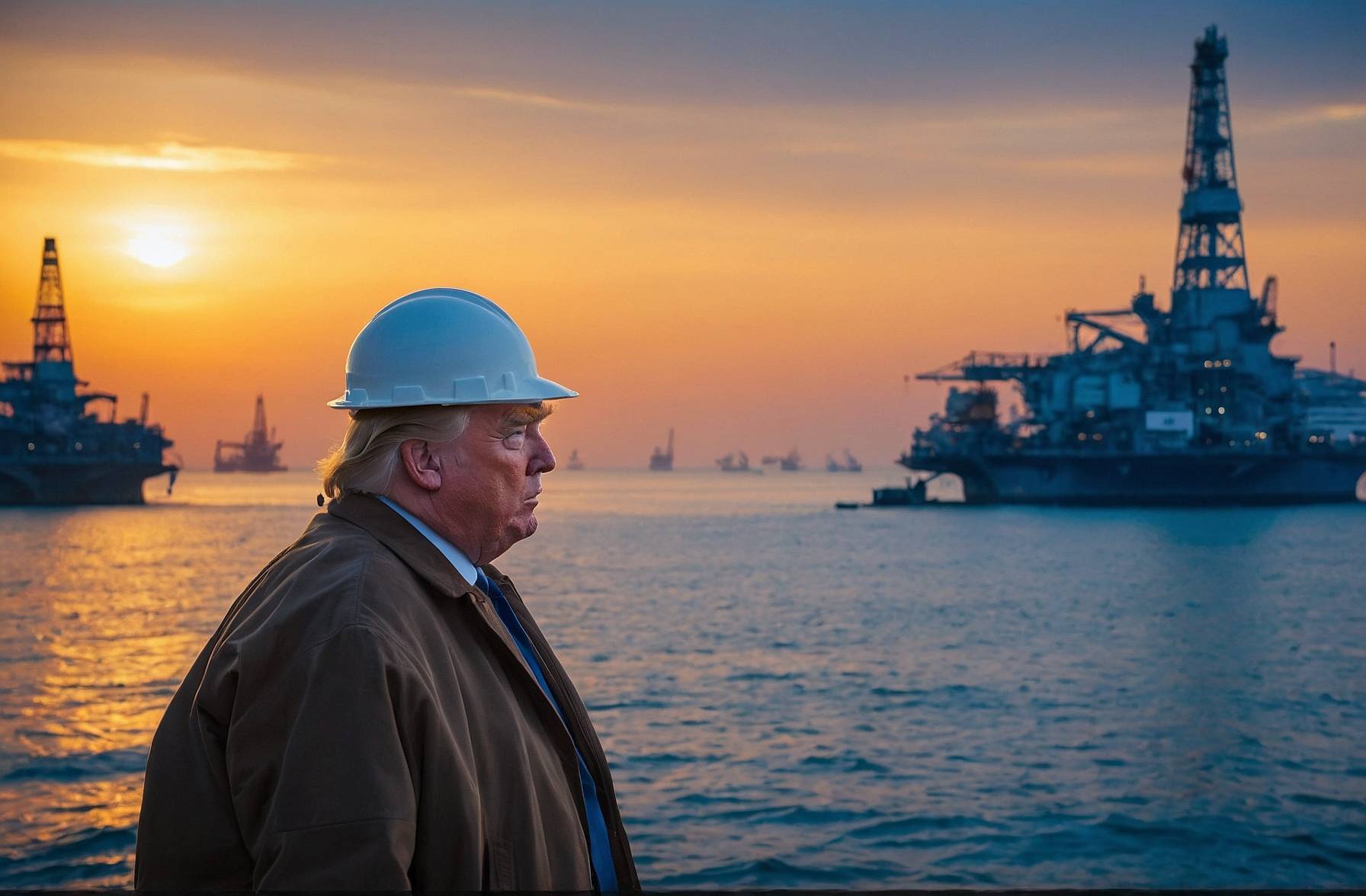
The crude oil industry in Asia has an idea on how to resolve the crisis caused by the conflict with Iran. They also know that their wish will not be granted, and are bracing themselves for a prolonged disruption of supplies from the Middle East.
The APPEC conference held in Singapore this week was dominated by thousands of discussions about how to safely and sustainably reopen?Hormuz Strait.
The answer was consistent.
Donald Trump, the U.S. president, should 'back down' and leave the Gulf Region to allow other countries to clean up the mess that was created after the U.S. attacked Iran on 28 February.
There was widespread agreement that such a result is unlikely and that there are no signs that the conflict will be resolved.
Before the start of the aerial bombing, almost 20% of the world's crude oil, refined products and liquefied gas moved through the narrow waterway connecting the Persian Gulf to the Gulf of Oman.
The volume of oil exports dropped to almost zero after the beginning of the conflict, as Tehran threatened to attack ships attempting to transit. While they have recovered a bit, they remain well below pre-war levels.
There is some dispute about how much oil gets through the Strait of Hormuz, and what volumes of additional oil have been rerouted to ports outside the Gulf in the Middle East.
Even the most optimistic figures show that the global market has fallen by about 5 million barrels of refined and crude fuels per day.
It is hard to deny that Asia's imports are down nearly 30% or 2 million bpd from pre-conflict levels. This shows the true crisis lies in the supply of refined goods.
Initial expectations were that the conflict between Iran and the oil and gas industry would be resolved in a matter weeks or months.
This optimism has?evaporated' and APPEC delegates - including Middle East oil producers and traders, as well as shippers, refiners and shipping houses - now discuss how to navigate a long disruption.
It is believed that the conflict can be resolved by?a political accord, but it is unlikely because this has become a 'war of egos.
Trump is seen as a man who cannot accept anything less than a win. The same goes for the hardline leaders of Iran, who are determined to maintain their influence on the Strait of Hormuz, as well as get billions of dollar to repair the damage caused by the bombings.
One delegate said in conversation, "We need political settlement but that requires regime change in Washington and Tehran." The answer to the question about where the change will most likely occur was Washington. This is a common view among APPEC delegates.
It could take up to two and a half years for Trump's tenure to end, but the pressure could increase if the Democrats were to regain control of one or both houses of Congress during the midterm elections in November.
The worst is now the best.
The oil industry hopes for the worst-case scenario.
The strait is still a risky and constrained area for crude oil and other products, and there are occasional disruptions from missiles and drones.
This'scenario' shows that Asia can get enough crude despite the fact that the Middle East, and Russia, have lost their refining capacities due to the Ukrainian attacks.
The market is also less focused on the price of oil, as it's reflected in Brent futures. Instead, the focus is on the size of the discounts on barrels that are inside the Strait of Hormuz versus the premiums on barrels that are outside the Strait of Hormuz.
The discount must be large enough to cover insurance costs that have risen from 5 U.S. Cents per barrel pre-conflict, to $2.50 today, as well as the increased freight cost of $30 per barrel from $6 to transport cargoes to North Asia.
The sharp increase in insurance and shipping costs has led to a crude oil price that is below the actual cost of securing shipments.
The industry did not want to discuss worst-case scenarios, such as widespread destruction of civilian and energy infrastructure across the Gulf.
They still do not believe that this will ever happen. Six months ago, they also thought that the war would end soon.
You like this column? Open Interest (ROI) is your new essential source of global financial commentary. ROI provides data-driven, thought-provoking analysis on everything from soybeans to swap rates. The markets are changing faster than ever. ROI can help you keep up. Follow ROI on LinkedIn, X.
These are the views of the columnist, an author for.
(source: Reuters)


