Maguire: Maguire, China's renewables boom has boosted it to a rare clean-capacity club.
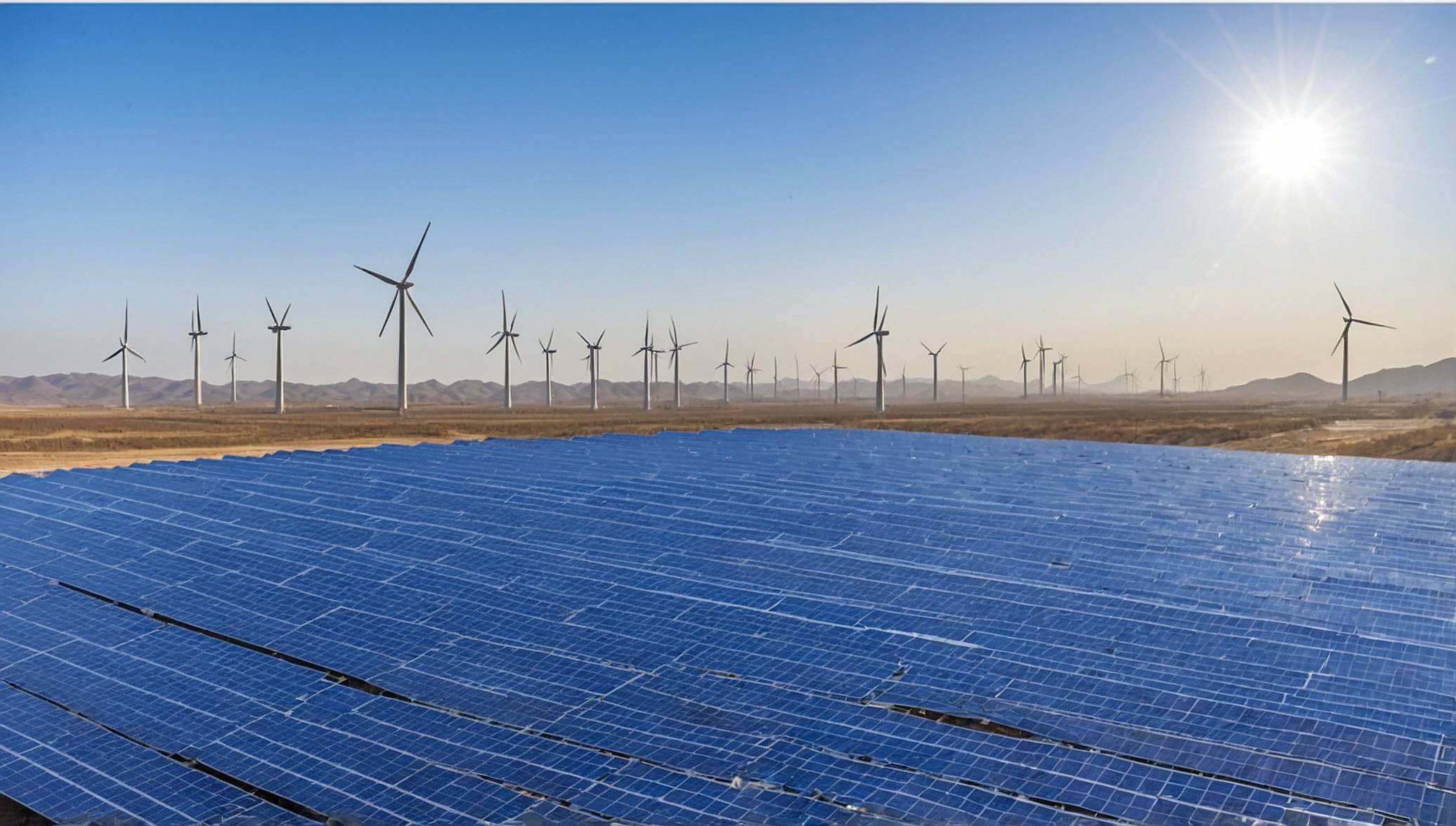
In 2025, the world's largest polluter will have crossed a crucial energy transition threshold by installing more clean power than fossil fuel production capacity for the first.
Global Energy Monitor data shows that China will have 1,494 gigawatts (GW) of clean energy generation capacity operating in 2025. This compares to 1,420 GW?of fossil fuel-fueled capacity.
China now draws 51% of its energy from clean sources, surpassing Brazil, France, and Germany, as the major economies that are primarily fueled by clean energy sources.
The United States is at the opposite end of the spectrum, with 233 GW (or more) more fossil fuel power capacity than clean power capacity operating in 2025. This was more than any other country.
GEM data show that India, Saudi Arabia and Russia are also major economies with similar reliance on fossil fuels for power generation.
The U.S. is likely to increase its lead in fossil fuels, despite China's continued clean growth momentum. This is because the U.S. has reduced federal support for renewables while promoting further growth of natural gas and coal.
The divergence between the energy systems of China and the United States highlights the starkly different views of both countries on the future of energy. China is pushing for cleaner generation, while the U.S. advocates greater fossil fuel dependence.
Solar-powered Overhaul
The most significant development in China's energy sector is the 1,554% increase in solar power capacity.
GEM data show that solar farms in China accounted for an unprecedented 18.3% of the operational capacity last year. This is up from only a 2.4% share in 2015.
This jump in solar power capacity has done more than add clean energy to China's system. This allowed China to lower the share of coal-fired energy in its overall generation mix from 64% to a record low share of 42.7% last year.
Solar has now become the second-largest power source in China, behind coal. It is expected to continue growing throughout the rest of this decade due to the massive increases in solar component production in China over the past few years.
China's clean power capacity increased by 253% from 2015 to 2025. Its fossil fuel capacity increased by 50%, yielding an 113% increase in total power production capacity.
China's battery sector, which is the world leader in production, will continue to accelerate the clean energy momentum as it helps to store and discharge more solar power during peak demand periods.
U.S. U-TURN?
Between 2015 and 2025, the U.S. clean energy capacity increased by 74% from 300 GW up to 520 GW.
In the same time period, fossil fuel production capacity decreased by around 3% as coal-fired power plants that were outdated were shut down.
The total U.S. capacity footprint has grown by 18% in the last two years, reaching a record 1,272 GW.
In the coming years, U.S. power generation capacity is likely to increase due to the urgent need to boost energy supplies for data centers and AI-based applications.
After the federal government scrapped its incentives for renewables, it is expected that utilities and power developers will increase natural gas capacity more than any other power source.
GEM data show that the amount of gas-fired power under construction in the U.S. doubled compared to a year earlier, and the amount in preconstruction increased fivefold.
Once completed, the gas power boom will increase the total fossil fuel generation capacity in the United States and reverse the recent growth in clean power's contribution to the overall capacity mix. This share grew from 28% of the total capacity last year to a record 41% this past year.
In fact, by prioritizing fossil fuels above renewable energy sources in the U.S. utility sector, it is likely that the U.S. electricity system will resemble the development paths of other fossil-fuel-centric economies like Saudi Arabia rather than China's.
Saudi Arabia has seen a steep increase in its clean energy capacity so far this decade. This is especially true for solar power, which has gone from less than 0.5GW in 2020 to more than 11GW last year.
Around 90% of Saudi Arabia’s total power footprint is still based upon fossil fuels. These are likely to remain a major pillar in the energy system of the oil-rich country for many decades.
It is expected that the U.S. will continue to exploit its natural gas reserves in the near future.
This 'gas-centric' drive may fit in with President Donald Trumps "energy dominance agenda" in the near term, but it will lead to the U.S. falling further behind in the construction of clean energy systems that are expected to power most economies by century-end.
These are the opinions of the columnist, who is also an author. This column is great! Open Interest (ROI) is your new essential source of global financial commentary. Follow ROI on LinkedIn, X and X. Listen to the Morning Bid podcast daily on Apple, Spotify or the app. Subscribe to the Morning Bid podcast and hear journalists discussing the latest news in finance and markets 7 days a weeks.
(source: Reuters)