India's ethanol manufacturers feel the pinch
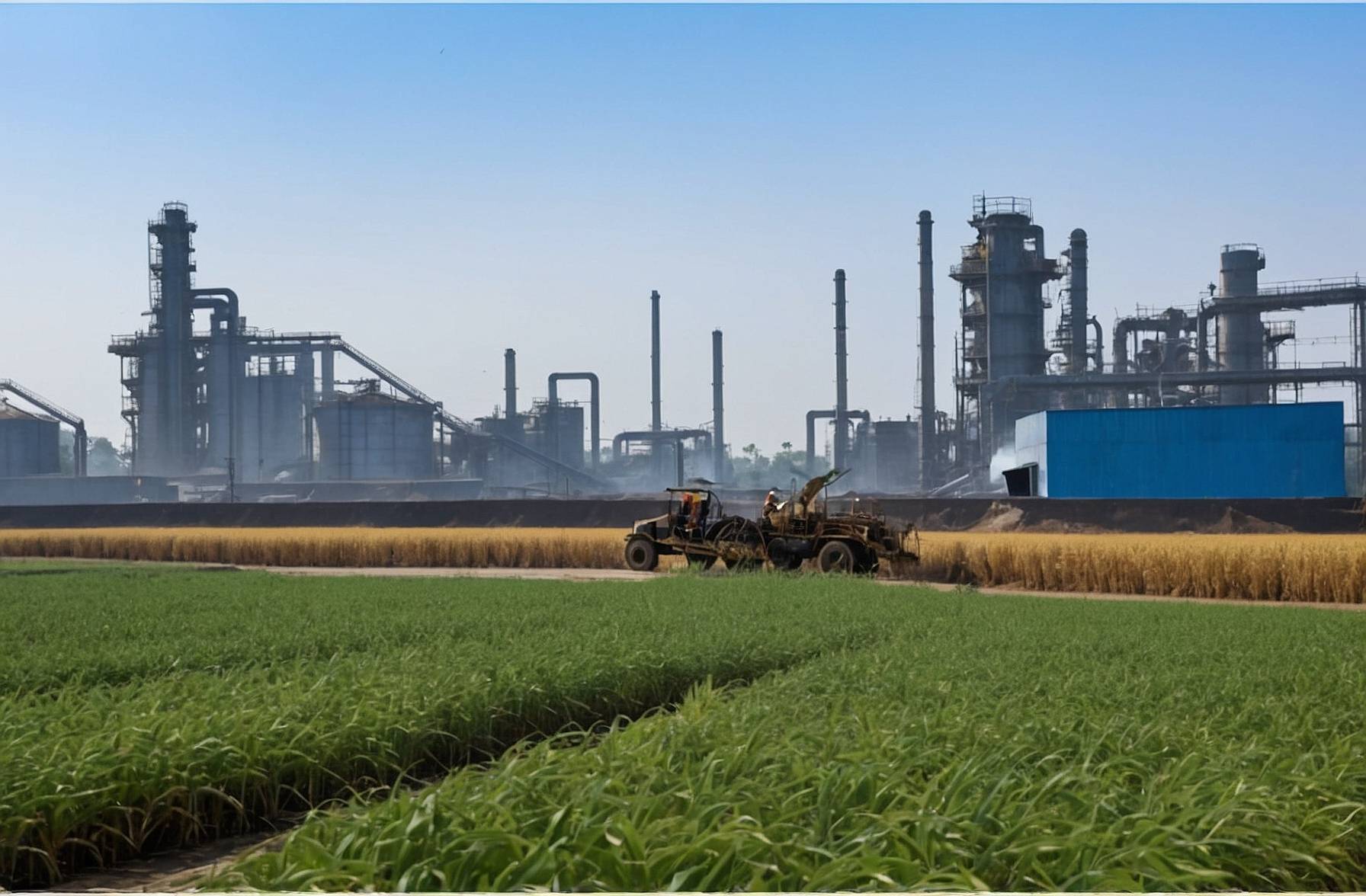
Demand for ethanol distillation is outstripping supply
* Producers challenge procurement in court
* Industry wants more than just ethanol as fuel
Bhasker Tripathi
Singh claimed that despite contractual obligations, government oil companies did not purchase enough ethanol. This forced him to stop operations at his factory where he employs 600 workers.
India's plan for reducing emissions and reducing oil imports is based on ethanol, a fuel produced from sugarcane or maize. State-run oil companies blend ethanol and petrol under the Ethanol Blending Programme of the Indian government.
India achieved its goal of blending 20% of ethanol in petrol (known as E20 fuel) five years earlier than expected. However, the increase sparked a backlash among drivers who complained of decreased fuel efficiency and increased wear on engines.
Demand for ethanol - backed up by government guarantees - triggered an investment wave in distilleries like Singh's.
The programme is now a victim of its success. There are more ethanol supplies than there are consumers.
India's oil marketing companies asked for bids?for approximately 10.50 billion litres. But producers offered about 17.76 billion.
Singh stated that the incident had caused him to lose millions of dollars and disrupted his business.
Why are producers of ethanol taking their fight to court?
Oil marketing companies will sign long-term agreements in?2021, with more than 100 distilleries, to encourage investment.
Industry executives claim that the contracts guarantee government buyers 60% of an industrial plant's output, and give them preferential treatment in tenders for additional volumes.
Oil marketing companies altered their procurement rules when the total production capacity exceeded the volume oil companies required for E20 blend.
VINP Distilleries and Sugars sued the oil companies at the Karnataka High Court, claiming that the most recent 2025-26 ethanol auction removed the "preferential allocation" promised in its long-term contract. The High Court ruled in December 2025 against the oil companies.
The court found that the Ethanol Plants were established on the Federal Government's urging and that removing the preferential treatments agreed upon under the contracts would threaten their viability.
BIOFUELS: CLIMATE SOLUTION, OR RARE RESOURCE?
The ethanol debate is a global one.
Scientists from all over the world expressed concern about the 'environmental impact of biofuels such as ethanol on water and land use, as well the competition with food production, when the U.N. COP30 Climate Summit in November 2025 urged countries to increase the use sustainable fuels.
The International Energy Agency (IEA) expects India’s liquid biofuels production to?increase sharply in this decade. They project that ethanol consumption will exceed 15 billion litres per year by 2030.
Industry executives claim that despite the fact that more money is flowing into ethanol distilleries there are still limits on demand due to government procurement and blending restrictions.
Leaders in the biofuel industry are pushing for government policies that will'stimulate' demand. At an energy meeting hosted by India in January 2026 they called on the government to introduce tax reductions, incentives for flex-fuel vehicles, and carbon credits, to help expand the sector.
(source: Reuters)