How China's oil giants helped Beijing prepare an energy crisis
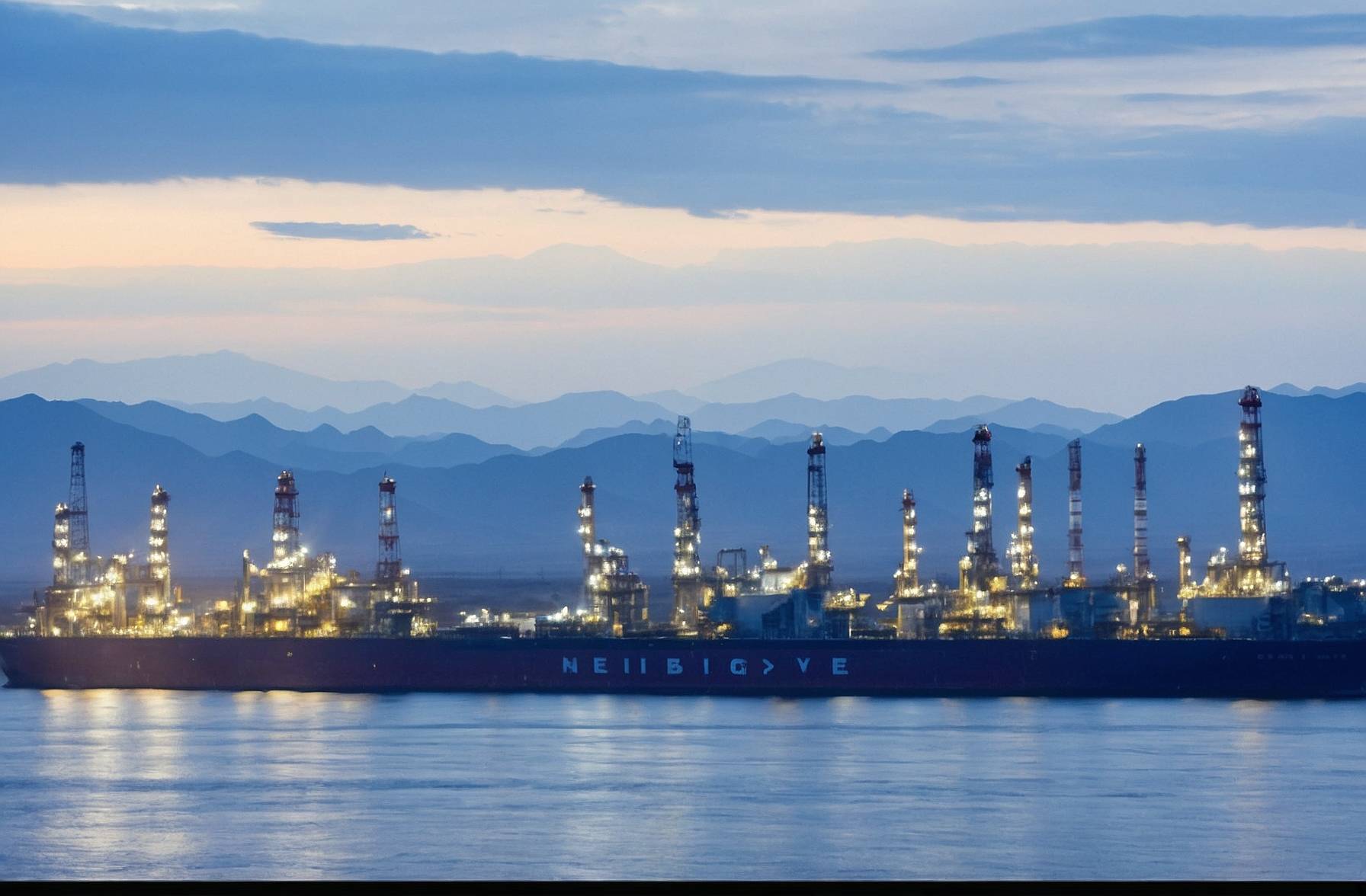
China's oil companies are at the forefront of Beijing prioritising energy security in the last decade. They have made investments that have helped to soften the impact of the closing of the Strait o'Hormuz.
Sinopec PetroChina and CNOOC Ltd. have spent hundreds billions of dollars on drilling in China, while building and filling oil storage tanks for Beijing's energy security mandates. Since the U.S. and Israel war against Iran began 'in 'February, they sold fuel at capped domestic prices for months.
Sometimes, ensuring energy security comes at a cost. Oil majors aren't as wealthy and haven’t benefited from the same wartime windfall that international counterparts.
Chokwai Lee is Morningstar's director of equity analysis. He said that China's oil companies have done a good job in fulfilling their role as energy security providers.
There have not been any major fuel shortages, despite disruptions in Middle East supply routes. This is due to a combination of strategic petroleum reserves and diversified import sources as well as stable domestic production.
Increase in the Production of Upstream Products
In late 2010, when China's oil production started to fall, officials were so worried that they launched in 2018 a seven-year drilling plan. According to calculations based on filings from companies, since then the three major oil producers have spent $343 billion domestically and $56 billion overseas.
The oil production has risen from 3.8 million barrels to 4.3 million, which is equivalent to a tenth of China's Gulf imports.
The domestic gas production has also increased, limiting the demand for imported liquefied gas, which has not reached its previous peak since it plummeted during the COVID-19 epidemic.
Onshore production has been expensive because of the challenging nature of the fields and their need for new methods, which are often more costly. According to Rystad, the breakeven point for PetroChina's and Sinopec’s onshore oilfields averages around $55 per barrel compared with $37 per barrel for U.S. Shale.
Chen Lin, vice-president at Rystad, said that some PetroChina onshore oilfields are operating at a loss even when the prices drop to maintain production.
Philip Andrews Speed, senior researcher at the Oxford Institute for Energy Studies, said that Sinopec, PetroChina and other companies have spent money over the past seven years they wouldn't have spent if they were purely commercial.
OIL MAJORS HELP WEATHER GULF GUAR
China's major oil companies have also helped to weather the energy shock caused by the war, by prioritising their domestic market above more lucrative export markets.
Beijing had capped domestic fuel costs and banned exports in March before relaxing controls more recently. This limited the windfall of higher oil prices, and in Sinopec’s case resulted in a 1.8 billion Yuan loss in the second quarter. Calculations based on filings by the company. Donald Trump, on the other hand, said that the oil industry "was making too much money," after Exxon-Chevron announced bumper profits for the second quarter.
CNOOC, PetroChina, and Sinopec, which is the world's biggest refiner, all posted record earnings in the first half of this year. However, their share prices have increased?far less compared to those of international counterparts since the beginning of the war.
Sinopec's Hong Kong listed stock has fallen?10% since the beginning of the war in late February.
According to Parsley Ong, J.P. Morgan's Asia energy and chemicals head, the "social responsibility" that is required of China's major oil companies has its advantages. Ong stated that they have been able draw from the vast oil reserves of China, while Beijing has also eased its fuel export restrictions.
The industry was surprised to find that the sector losses were less than expected. This shows some policy flexibility.
(source: Reuters)


