Cuba Reconnects Electrical Grid, Millions Remain Powerless
© Adobe Stock/bogdanserban
Cuba has reconnected its electrical grid across much of the island, the Energy and Mines Ministry said early on Tuesday, just hours after U.S. President Donald Trump escalated his rhetoric against the communist-run island, saying he could do anything he wanted with Cuba.
Cuba's national electric grid collapsed on Monday, leaving about 10 million people without power amid a U.S.-imposed oil blockade that has crippled the island's already obsolete generation system.
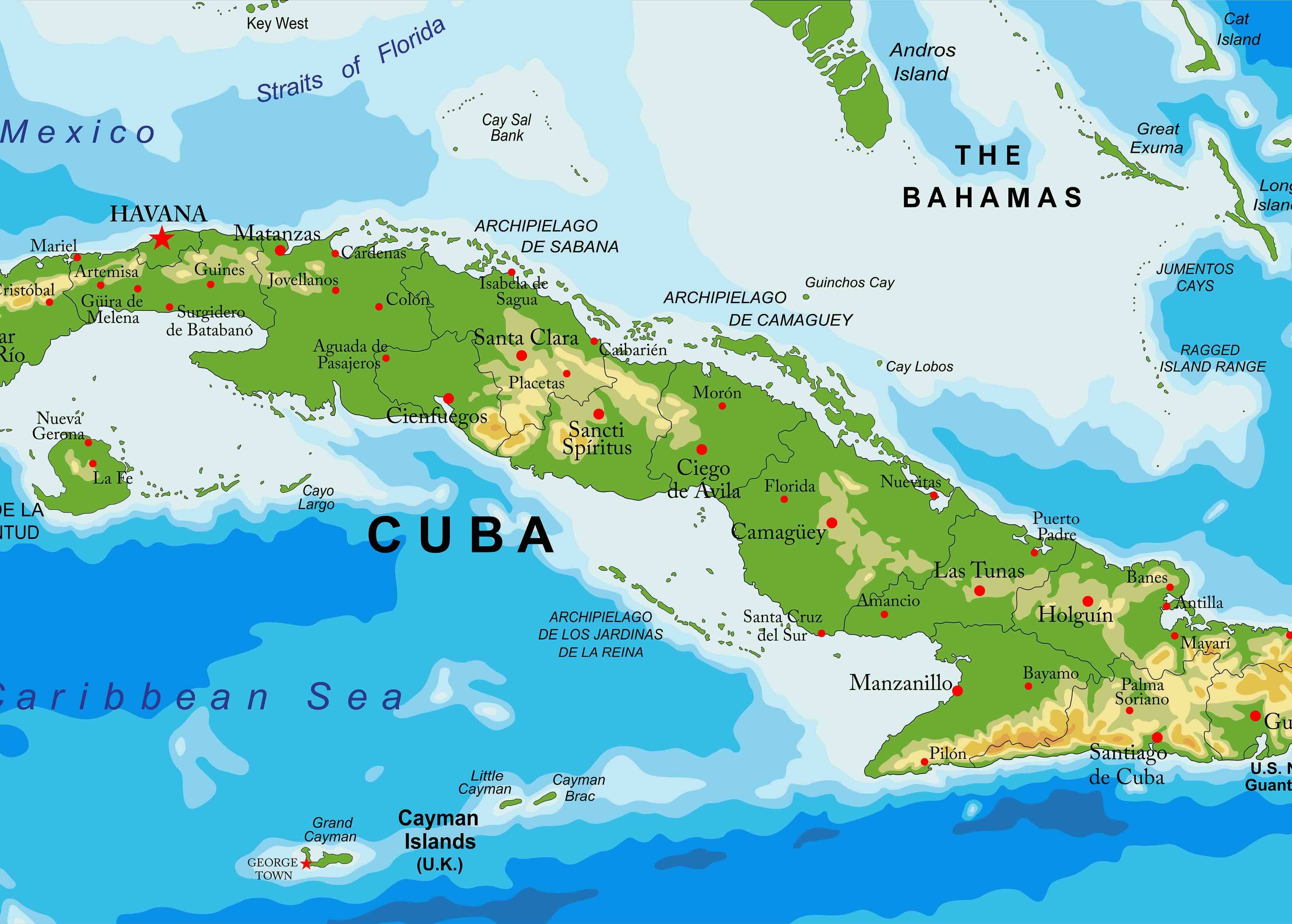
Energy officials said they had reconnected the grid from westernmost Pinar del Rio province to Holguin, near the eastern tip of the island. Santiago de Cuba, the country's second-largest city, remained offline, the reports said.
Electricity generation, hampered by fuel shortages and antiquated power plants, remains sharply depressed across the island despite grid recovery efforts, providing scarce relief for Cubans already exhausted from months of blackouts.
Most Cubans, including those in the capital Havana, were seeing 16 or more hours of blackout daily even before the latest grid collapse, testing the patience of residents accustomed to hardship.
"It affects every aspect of our lives," said Havana resident Carlos Montes de Oca, who said the outages had thrown simple necessities such as food and water supply into disarray. "All we can do is sit, wait, read a book... otherwise the stress gets to you."
Cuba has yet to say what caused Monday's nationwide grid failure, the first such collapse since the United States cut off Cuba's oil supply from Venezuela and threatened to slap tariffs on countries that ship fuel to the island nation.
Much of Cuba was overcast on Monday morning as a cold front neared the island, casting shadows on the solar parks that account for a third or more of daytime generation.
Cuba has received only two small vessels carrying oil imports this year, according to LSEG ship tracking data seen by Reuters on Monday.
TANKER RESUMES NAVIGATION
A Hong Kong-flagged tanker that could be carrying fuel to Cuba resumed navigation on Tuesday after suspending its course weeks ago in the Atlantic Ocean, according to LSEG ship tracking data.
The tanker Sea Horse loaded fuel in a ship-to-ship operation earlier this year, according to vessel tracking data. If it delivers its cargo, it could provide much needed relief to Cuba.
TIME TO TALK
Cuba and the United States have opened talks aimed at defusing the crisis, among the most acute since 1959, when Fidel Castro forced a former U.S. ally from power on the island.
Neither side has provided details of the ongoing negotiations, though Trump has portrayed Cuba as desperate to make a deal.
Monday's grid collapse overshadowed Cuba's invitation to Cuban Americans and other exiles living abroad to invest in and own businesses on the island, in an apparent gesture of goodwill amid the talks.
Despite the hardships and rhetoric, Cubans who for decades have ridden out good times and bad, saw little choice but to stay calm.
"We still don't have power at my house," said Havana resident Juana Perez. "But we'll take it in stride, as we Cubans always do."
(Reuters)