EU considers a revamp of the industry's free allowances in Carbon Market Reform
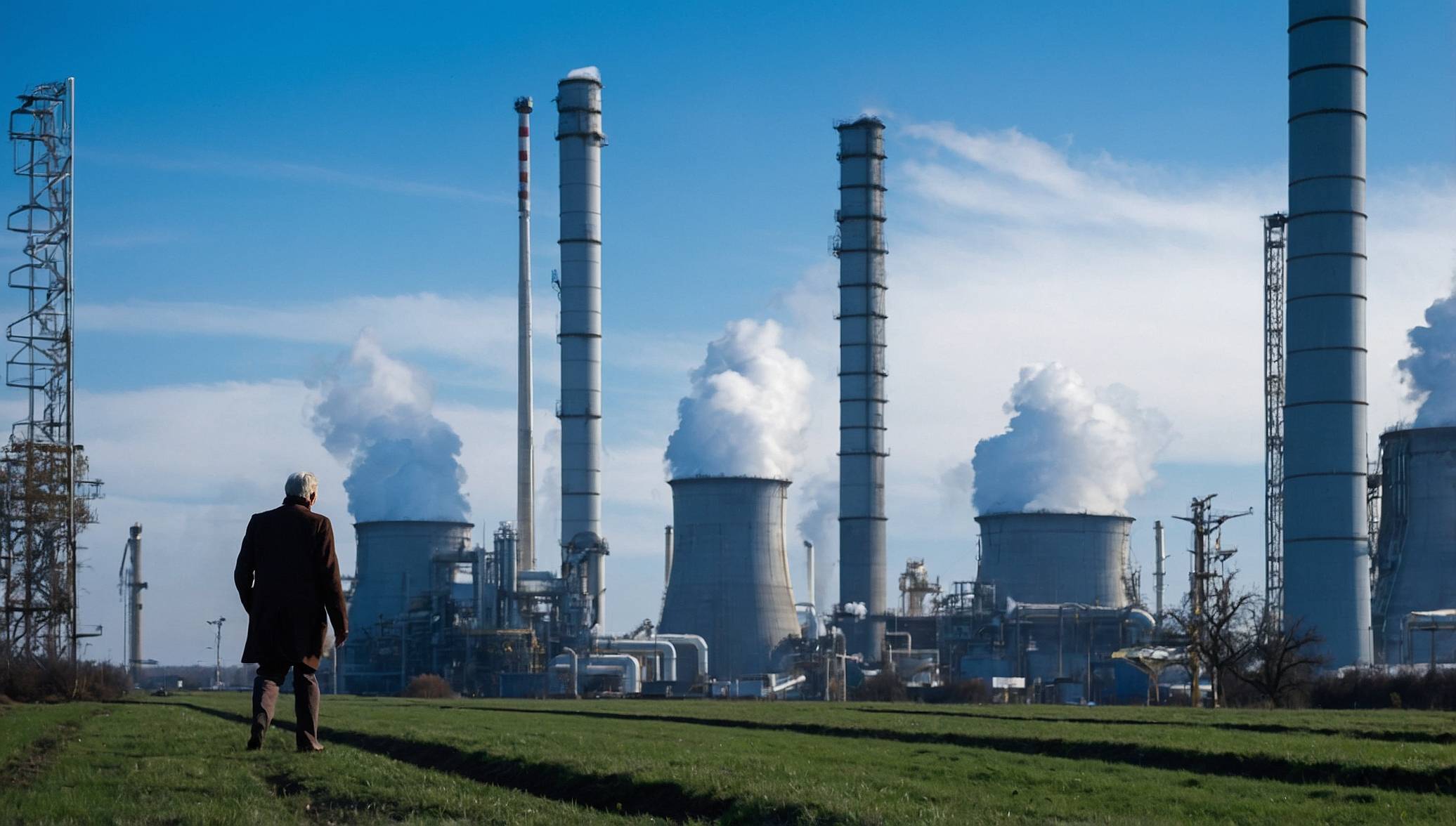
As part of a redesign of its carbon market, the European Union may overhaul its system of free "CO2 permits" for industries.
Brussels is redesigning its Emissions Trading System (ETS), the EU's most important policy on climate change, which requires power plants and industry to purchase CO2 permits when polluting. Brussels, according to a presentation made by the European Commission internally, is looking at three options for revamping the current ETS that gives?industries free CO2 permits. This reduces the overall cost of pollution and allows industries to compete with foreign firms that don't pay for their emissions.
The document said that one option was to scrap all free CO2 permits and require industries instead?to buy and surrender CO2 certificates for a small share of their emissions. This share would then gradually increase until 2034.
One would condition free permits on the industries investing in low-carbon technologies. The document stated that a third option would "basically maintain" the current CO2 permit policy.
The spokesperson for the Commission declined to comment on this document.
The spokesperson stated that the 2026 ETS Revision would assess different ways to provide this protection, while supporting the industry's decarbonisation.
The Commission intends to propose the revision of the carbon market in the third quarter.
As industries battle with high energy costs and cheaper imports, the EU's flagship policy on climate change has become more politically sensitive. Andrej Babis, the Czech prime minister, urged the EU on Wednesday to limit the price of carbon ahead of a Thursday meeting between EU leaders to discuss competitiveness in the industrial sector.
The EU ETS limits the number of CO2 permits that can be released onto the market and reduces this limit each year in order to ensure emissions decrease over time.
The ETS will need to be redesigned to prevent the cap from falling to zero in 2039 as currently planned. Instead, it will have to be reworked to bring industries into line with the EU climate?target of cutting domestic emissions by 85% by 2020, a target that will allow them continue to emit beyond that date.
The benchmark EU carbon contracts traded at about 80 euros per metric tonne of CO2 Tuesday. This is lower than the previous month when it briefly surpassed 90 euros. (Reporting and editing by Alexander Smith; Kate Abnett)
(source: Reuters)

