What excites and concerns LNG exporters by 2026? Maguire
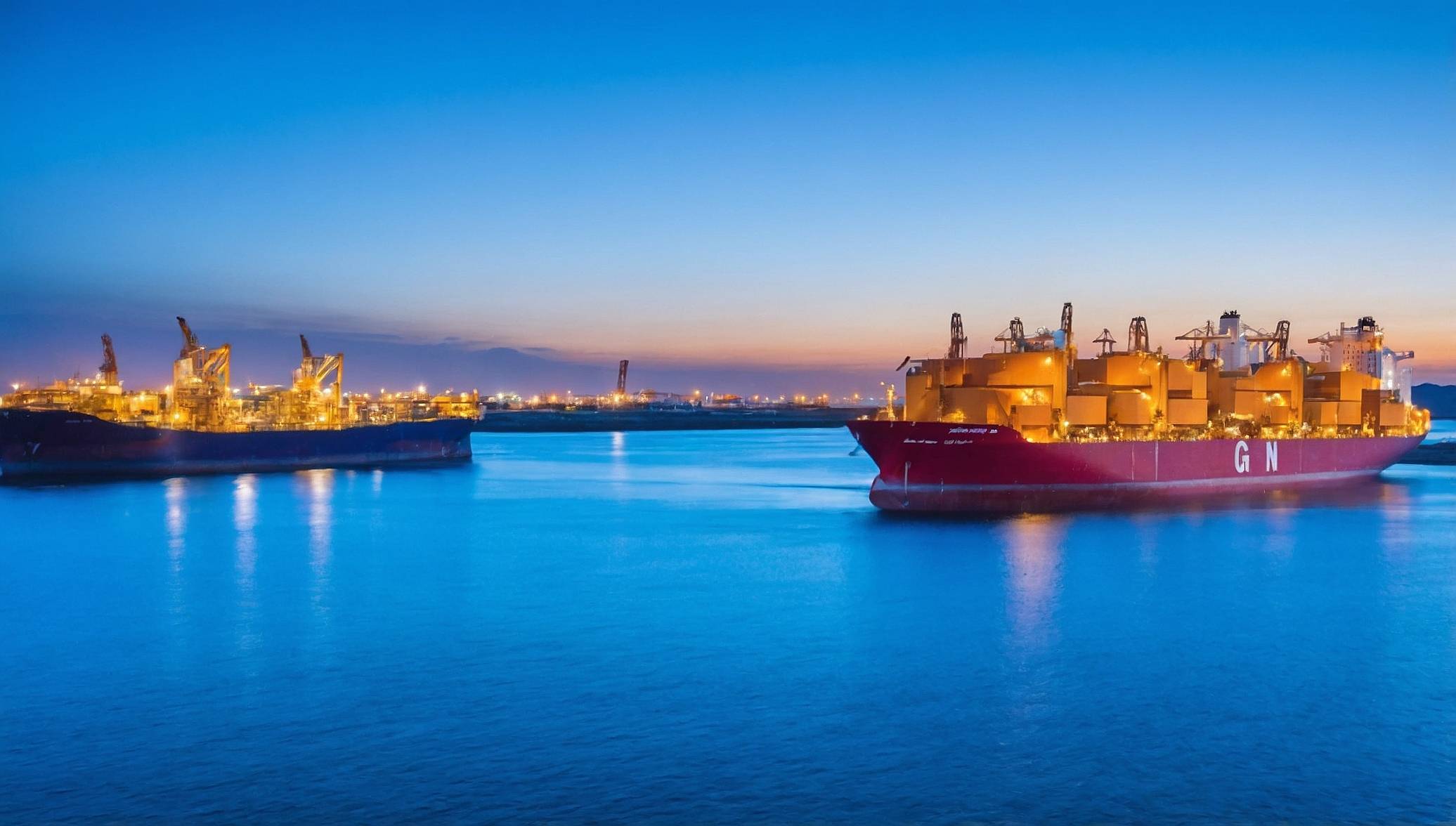
In 2025, the LNG industry will make history after exports and production of super-chilled fuel broke records and generated billions in revenue across the global supply chain.
Gas sellers were encouraged by the 25% increase in LNG purchases in Europe. This was an important development and raised expectations that gas consumption in countries like Germany, Italy and United Kingdom will continue to grow in 2026.
Three of the five largest LNG buyers in the world - all from Asia - are reducing their imports, which has raised concerns among exporters who hope to sell the increased volumes of LNG that will be available this year.
Here are the LNG industry's top growth markets for 2026.
EUROPE STAYS POWER
In 2025, the steep rise in LNG purchases in several European countries begs the question of whether the region is able to sustain this voracious appetite.
The good news is that Europe's electricity generation from gas-fired plants saw its first annual increase last year, since the Russian invasion of Ukraine in 2022 halted regional gas flow.
According to the think tank Ember the total European gas-fired electric output from January to November reached 1,009 Terawatt Hours (TWh). This is up 3.4% compared to the same period in 2024, and represents the first increase year-over-year for this period since 2021.
LNG demand will increase as gas-fired electricity generation increases, particularly in markets where there is a shortage of alternative energy sources.
The European industrial economy is still hampered by a weak consumer and manufacturing demand. In Germany, the top regional producer, output in gas-intensive industries such as chemicals and fertilisers remains at historic lows.
Europe's demand for LNG may be limited until a synchronised increase in business and consumer activity takes root.
A question that LNG exporters should ask is whether the price of LNG in Europe for 2025 was artificially increased as some countries tried to reduce their trade deficits with the United States through trade negotiations with the Trump administration.
Data from commodities intelligence firm Kpler show that European imports from the U.S. of LNG last year increased by almost 60% compared to 2024 levels.
The region could have tried to curry favor with Donald Trump by increasing its LNG purchases, which was far greater than the total increase in Europe's LNG imports.
In 2026, with the international focus shifting to geopolitical issues - like the U.S. desire to acquire Greenland – it's possible that European nations will be less eager to please President Trump.
If this is the case, then volumes of U.S. imports of LNG aimed at reducing 2025 trade deficits may be curtailed in 2026.
ASIA'S PLATEAU?
Kpler data shows that LNG exporters are also concerned about the demand for LNG in Asia. Around 64% of LNG imports were made from Asia last year.
The total shipments of goods to Asian buyers in 2018 were just under 613 million cubic metres, a drop of nearly 5% from 2024.
Although a volume decline of 5% was not a major concern for LNG exporters through 2025, they will be concerned if Asia's appetite is weak and Europe's purchasing pace slows down this year.
China and Japan, the two largest LNG importers, will have LNG imports reduced by 15% and 2% in 2025.
In 2026, the synchronized drop in imports by such important markets will continue to be a concern. This is especially true if China's economic growth remains slow and trade relations between China and the United States remain frozen.
Concern is also raised by the rapid expansion of renewable energy in China, and the steadily increasing nuclear power in Japan. These power sources are reducing gas in generation.
India, the number four LNG importer, also saw its LNG purchases drop by 7% in 2013. This is another cause for concern among LNG exporters that had hoped India was a stable?growth market.
The higher global gas prices in India have led to a steady decline of gas-fired power generation so far in this decade. This has also brought a sharp reduction in the spending on gas storage and distribution infrastructure.
Forecasters who are bullish say that the planned LNG exports, which will continue to grow in volume, will lower global prices and reignite the demand for fuel in countries like India and Pakistan.
Although they may be right, with benchmark natural-gas prices at three-year-highs and rising in the United States (the top global gas producer), it may be difficult for LNG exporters reduce sale prices over the short term.
In 2026, LNG exporters may have to focus on the already established markets. They will struggle in Europe to increase sales from last year levels. And in Asia, demand is patchy as China struggles with growth.
These are the opinions of the columnist, an author for.
You like this article? Check it out
Open Interest
The new global financial commentary source (ROI) is your go-to for all the latest news and analysis. ROI provides data-driven, thought-provoking analysis on everything from soybeans to swap rates. The markets are changing faster than ever. ROI can help you keep up. Follow ROI on
You can find us on LinkedIn.
(source: Reuters)


