Trinidad's Atlantic LNG Shuts Down Train 4 for Maintenance
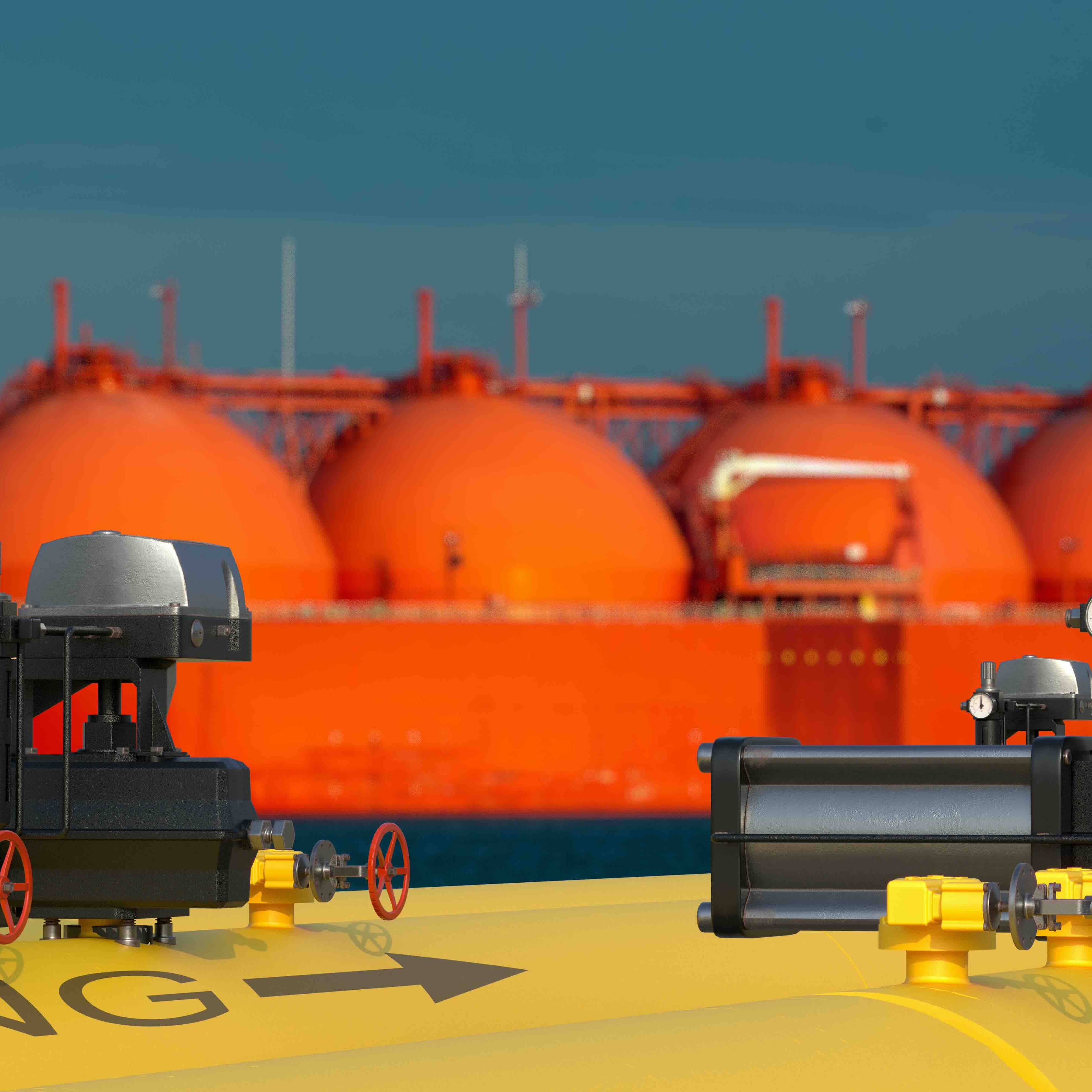
© Adobe Stock/Mike Mareen
Trinidad and Tobago's flagship Atlantic LNG plans to shut its 6 million metric ton per annum Train 4 for up to 50 days in May and June for extensive maintenance and repairs, three people with knowledge of the plan told Reuters.
Atlantic LNG is majority owned by Shell and BP - each with a 45% stake - while Trinidad's National Gas Company holds 10%. The facility accounted for roughly 15% of BP's total global LNG production and 10% of Shell's LNG output in 2025, according to company documents.
The maintenance and repairs, called a turnaround, will commence on May 4 and will run for between 45 and 50 days, the people told Reuters.
During that time Atlantic will continue to export LNG from Trains 2 and 3, which together have a combined capacity of 6 mtpa, the people said.
Atlantic LNG said the turnaround is designed to ensure it can operate the plant safely and reliably and could not comment on whether it would allow Trains 2 and 3 to operate at full capacity with the additional gas not needed for Train 4 during the period.
Shell said it does not comment on trading activities, while BP and NGC did not respond to requests for comment.
Atlantic LNG is Latin America's largest exporter of the superchilled gas with a capacity to produce 12 mtpa of LNG. Last year, however, the plant exported around 9 MT because of natural gas constraints, data from financial firm LSEG showed.
Atlantic is the biggest exporter of LNG to South America, according to LSEG ship tracking data.
Based on last year's production, the turnaround is likely to reduce Atlantic's output by more than 600,000 MT, according to Reuters calculations.
Last year Atlantic exported 143 cargoes, based on the ownership structure it potentially means the loss of 20 cargoes during the 50 days with Shell and BP each giving up 9 cargoes and the NGC 2, Reuters calculates.
Atlantic LNG exported four cargoes to the United States during January's Arctic freeze as some U.S. LNG plants became gas importers.
(Reuters)
