The UK National Wealth Fund has set its sights on carbon capture, batteries, and hydrogen as a way to boost growth
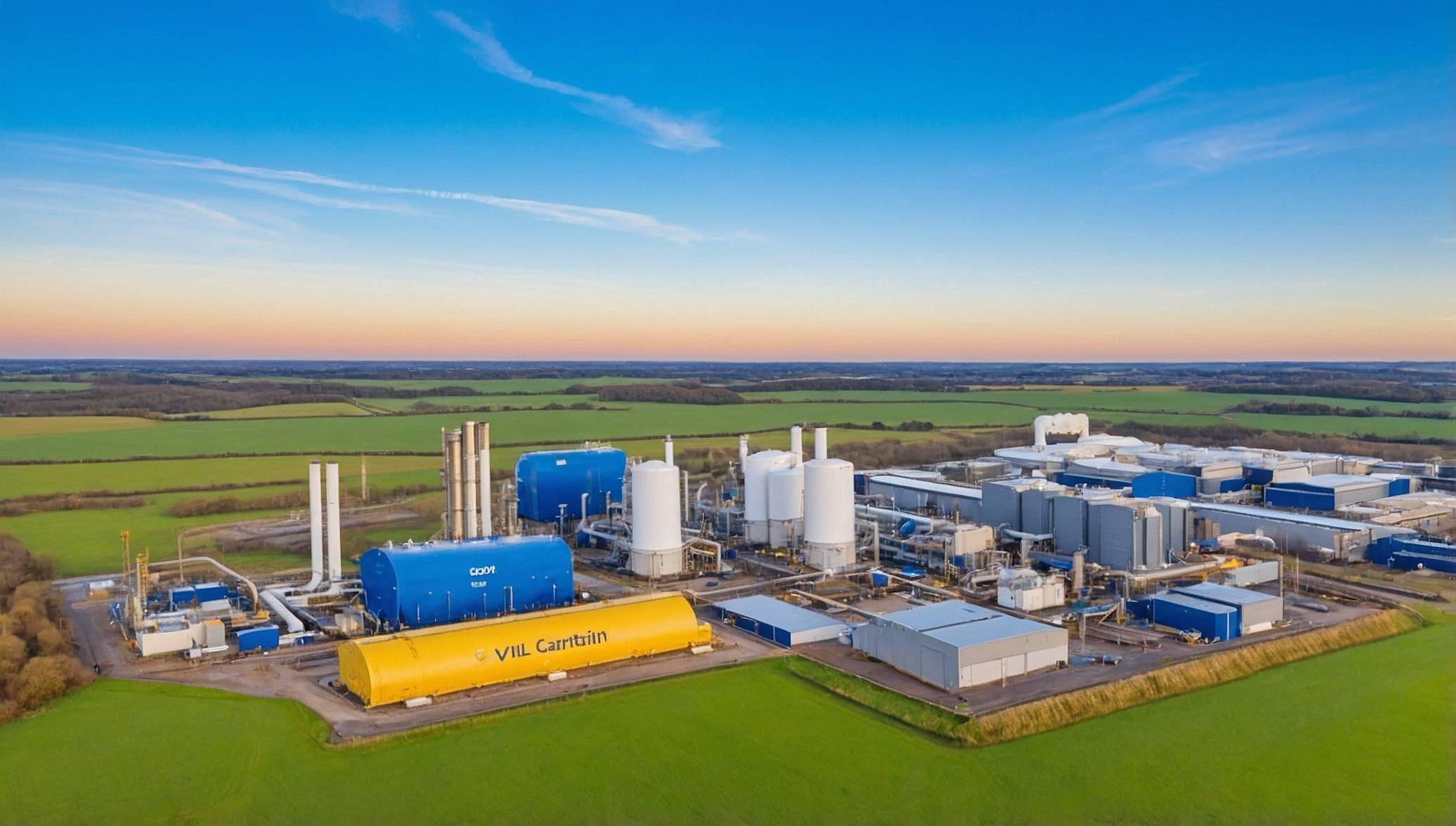
The National Wealth Fund of Britain announced on Wednesday that carbon capture, power grids and battery manufacturing will be among ten'sector' it will concentrate on in the next five-year period to help the relatively sluggish British economy recover.
Oliver Holbourn, CEO of the company, aims to invest between 4 and 5 billion pounds per year (between $5.49 billion and £5.50 billion) in projects. This will be done from now on until 2030/31. He said that this should support or create 200,000 jobs.
Holbourn, the director of the fund's five-year strategy plan, told reporters on Wednesday that "we are going to move faster and more focused."
Labour Government Struggles in the?Polls
The NWF was created by the Labour government of 2024 in order to support the UK's transition to net zero and drive economic growth. It is designed to provide debt or equity funding for projects such as clean energy and transportation, along with investment partners.
The government of Prime Minister Keir starmer has failed to turn around Britain's economic situation and is currently struggling in the polls. This puts pressure on initiatives such as the NWF, which are meant to spur the economy.
Holbourn stated that the NWF will focus on ports, nuclear energy, energy storage, and green steel. It also plans to invest in advanced materials, critical minerals, and defence.
The fund has about 28 billion pounds to invest
The NWF, which is a government-owned organization but runs independently, will operate as the UK Infrastructure Bank until 2024.
About 30% of the total investment has been allocated to 70 projects. Holbourn stated that the return target of the?fund is not made public.
The fund has so far invested in Britain's newest nuclear power plant, Sizewell C. It also lent Iberdrola's ScottishPower 600 millions pounds to fund upgrades of the power grid.
SSEN Transmission has received a financial assurance for its plans to upgrade the grid.
(source: Reuters)


