The Iranian ceasefire has eased fears, but the LNG sector is still scarred.
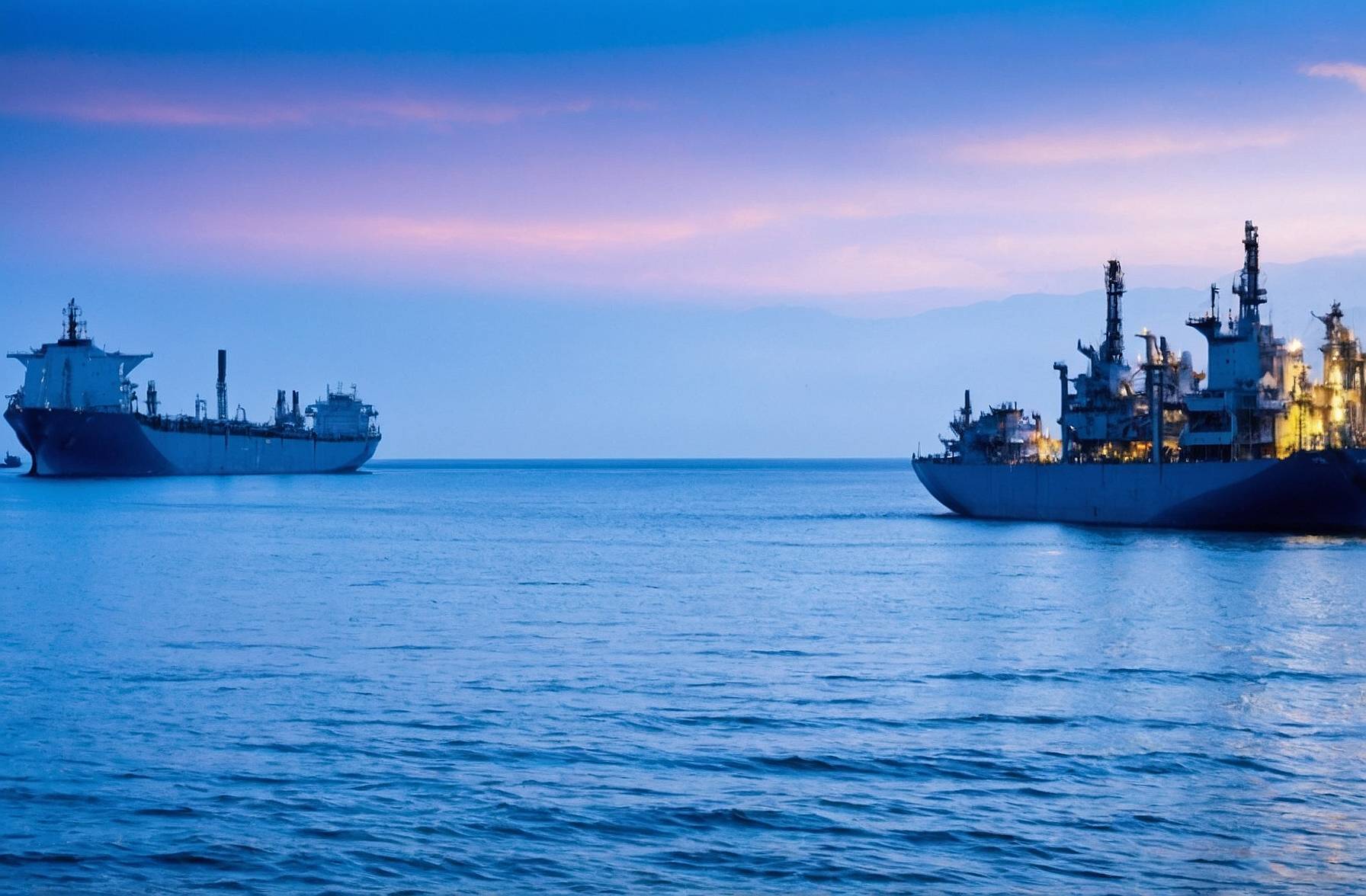
The Middle East ceasefire signaled a de-escalation. However, the conflict had a lasting impact on the global LNG industry. It has eroded the confidence of Gulf'suppliers' and raised doubts in Asian buyers about the fuels affordability and reliability.
Since the U.S. launched its strikes against Iran on February 28, the Strait of Hormuz was closed to all ships. This narrow waterway normally transports about a fifth of the global LNG supply.
This was not an supply crisis. Menelaos Idreos said that this was a crisis in the supply chain. The International Gas Union has 140 members around the world, and represents more than 90% the global gas market.
He said that "where you have chokepoints and geopolitical events occur, they impact security of supply."
The global gas supply is ample. LNG is dependent on a complex infrastructure, specialist ships and predictable transit routes. If these are disrupted cargoes will flow to buyers who can pay more and leave poorer 'importers' exposed.
This dynamic is critical for Asia where the growth of LNG demand has been based on its reputation as a reliable alternative to coal.
He said that the less wealthy countries in Asia had been hit by a price spike twice within four years, following Russia's invasion into Ukraine. The question of whether LNG is a reliable fuel for transition has been raised. A Vietnamese company announced in March that it would abandon a plan to construct the largest LNG-fired plant in the country and instead embark on a project to develop renewable energy. The Iran war had increased the risk of the fuel becoming too costly.
AFFECTED GULF REPUTATION
The Gulf's energy producers have suffered a loss of reputation that goes far beyond LNG. He said that the concentration risk in the region is now more apparent for oil, gas and petrochemicals. "The reputation as a reliable energy area in the 'world, whether it is oil or gas, petrochemicals, or fertilizers, suddenly gives some?concern," Ydreos stated.
The damage to LNG infrastructure has only heightened these concerns. Repairs to severely damaged facilities can take many years. Even partial recovery will be limited by shipping capacity and high freight costs.
Qatar's reputational impact, as the second largest LNG exporter in the world, is particularly sensitive. Qatar has been a cornerstone for Asian energy security, with its long-standing record of supply.
He said that Qatar's record for on-time cargo delivery was second to none over the past 30 years.
(source: Reuters)


