The US Electric Grid is stressed by the cold weather
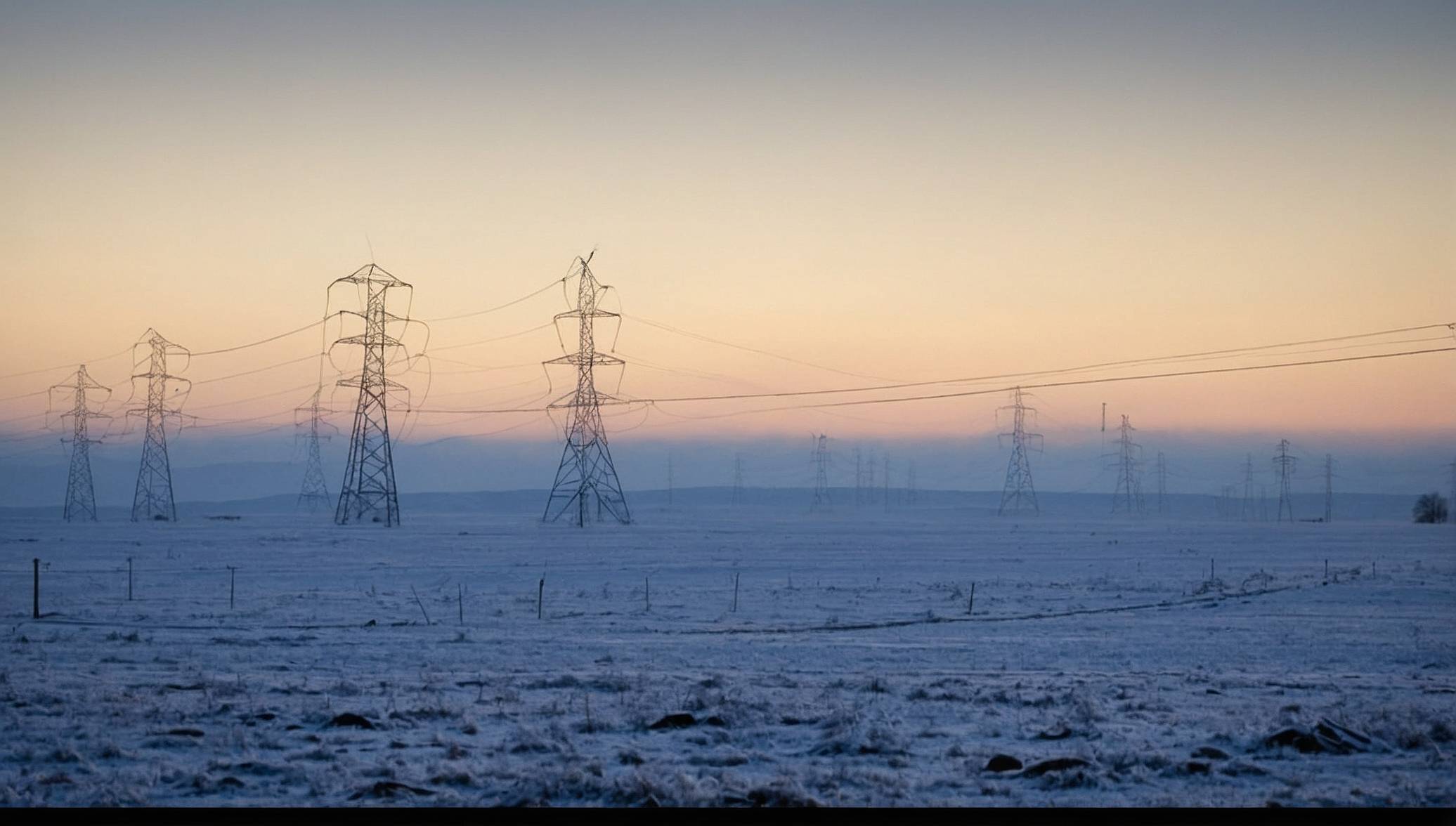
Electric grid operators in the U.S. took extra precautions on Saturday to avoid rotating blackouts, as frigid temperatures hit half of America's population.
The PJM Interconnection – the largest?U.S. The PJM Interconnection, which serves 67,000,000 people in the East and Mid-Atlantic region, reported temporary spikes of wholesale spot?electricity? prices that rose above $3,000 per megawatt-hour on Saturday morning. Earlier levels were less than $200.
Gridraven CEO Georg Rute is an expert in how weather impacts power line capacity.
Rute said that a gas turbine 40 years old would turn on when it saw the super-high price. Rute said that it was a sign of tension in the PJM and other systems.
The prices also rose in other regions, as the stormy weather conditions and temperatures around 0 degrees Fahrenheit pushed up demand for electricity and forced some operators to stop natural gas production. Grid companies also had difficulty supplying gas through pipelines.
Dominion Energy's Virginia operations, which include the largest data center collection in the world said that if the ice forecast is accurate, it could be one of the biggest winter events to impact the utility's operation.
Electric utilities have crews ready to fix ice and snow damage to low-voltage distribution lines, which bring electricity to homes and businesses.
GRIDS FACE STAIN
Grid operations reports show that regional grid operators in the U.S. are asking coal- and gas-fired plants to "boost their output" due to limited gas supplies.
Midcontinent Independent System Operator (MIDISO) called on power plants in 15 states of the Midwest, South and Manitoba to increase output. They also curtailed exports.
According to MISO’s operational reports, MISO imported several thousand megawatts from PJM to meet the demand over the past 24 hour.
According to ICF International analysts, PJM's reliability is at greater risk in the winter as its natural gas plants – which are the backbone of PJM's generation – often face fuel supply restrictions and mechanical freezing when it gets cold.
The neighboring grid MISO has issued an emergency call to action to prevent capacity shortages. Some power plants may be forced to?offline' or reduce output due to freezing temperatures. This alerts utilities to prepare to produce as much energy as possible.
MISO wholesale spot electricity prices in Minnesota soared up to $500 per MWh, due to transmission bottlenecks on high-voltage lines. In contrast, spot electricity prices in MISO’s southern territory were below $50 per MWh.
Fuel oil production in New England has been stepped up to conserve natural gas, the region's top fuel.
ISO New England's operation display showed that oil-fired generation made up 35% of New England's grid output on Saturday morning, compared to a normal level of 1% or lower. Natural gas, which is usually the grid’s main fuel source, was responsible for 22%.
New England spot electricity rates were over $300 per MWh or almost double the price of Friday.
TEXAS GRID TESTED
The winter storm in Texas is the most challenging test since 2021 when a storm almost caused a regional blackout.
ERCOT's generation capacity was reduced by about half due to the freezing weather.
Since then, state and federal regulations have been implemented that require utilities and grid operators to be better prepared for winter.
Rute stated that ERCOT is in a good position as it has a large amount of fossil fuel generation, a big contribution from wind and solar energy, and more storage capacity than any other grid.
He said, "I don't think there is much chance of a rerun in 2021." "But there is never a blackout the same twice." Reporting by Tim McLaughlin, Editing by Jan Harvey; Liz Hampton, Rod Nickel
(source: Reuters)


