The Australian oil refinery's re-orientation will have to overcome several obstacles
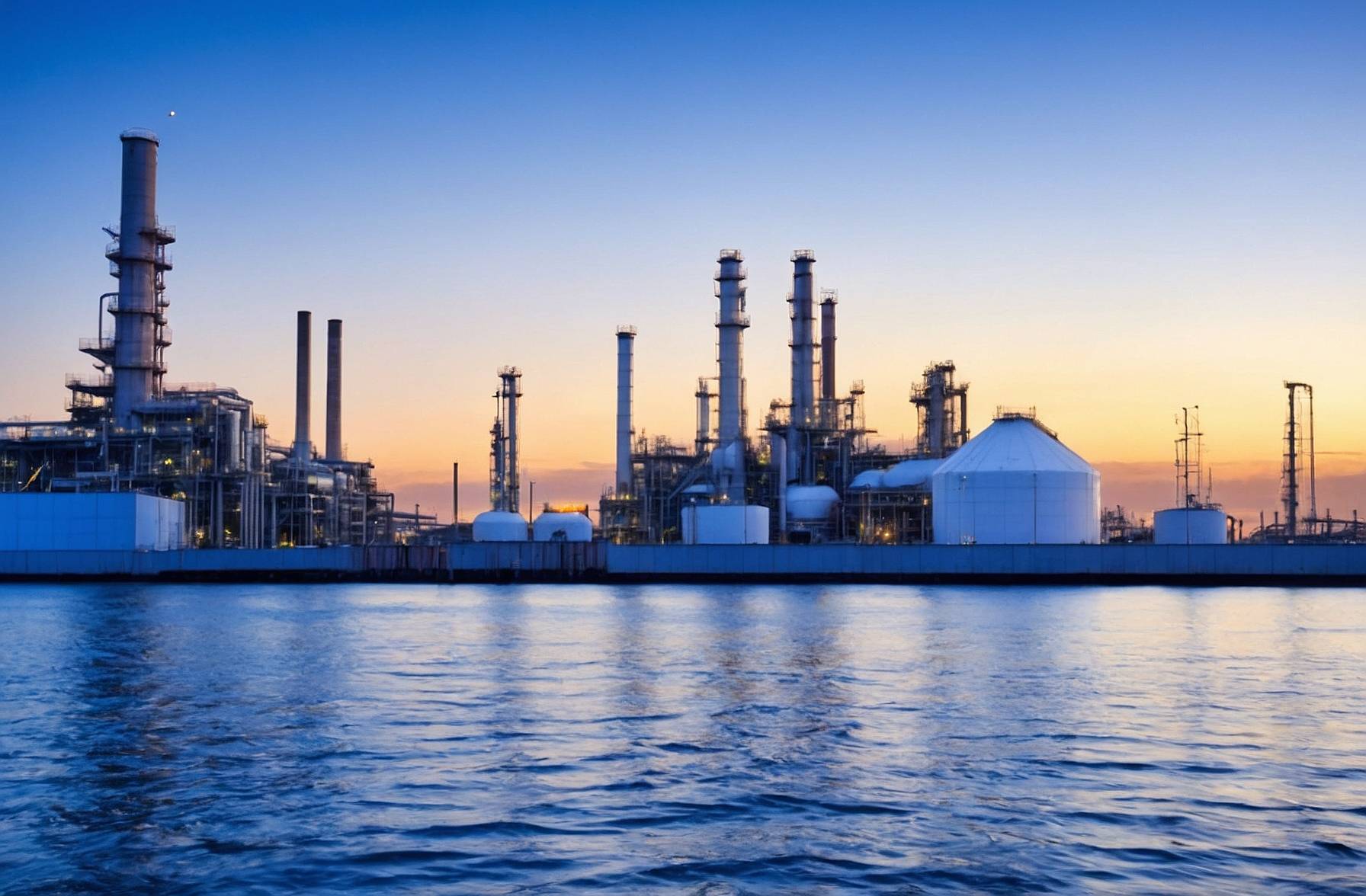
The proposal by Australia to build its first oil refinery for 60 years is hampered by a lack of crude supplies, an uncertain fuel demand in the future, and a builder who has little experience refining. The Prime Minister Anthony Albanese, and the Resources Minister Madeleine King announced a pre-feasibility study worth A$4,000,000 ($2.8million) for a new refinery that will be built by Perdaman. The government is looking to build a potential new oil refinery to reduce its dependency on imported fuels following the disruptions of the global energy markets caused by the U.S./Israeli war against Iran.
In the 1950s, 1960s, Australia built several refineries in its major cities. However, as fuel imports at lower prices from Asian refineries became more and more competitive and cost-effective the plants were forced to close. By 2021 only two refineries remained: those near Melbourne and Brisbane.
Australia imports more than 80% its refined fuel, and its two remaining plants depend on crude oil imports for over 80% their feedstock. A new refinery will not affect the import equation.
It is difficult to see how this will improve Australia's fuel-security position. Australia will continue to import crude oil for processing at any new refinery, said Kevin Morrison, a researcher with the Institute for Energy Economics and Financial Analysis.
Albanese King announced the study in Karratha. This is a mining hub and energy hub located in the northern part Western Australia, where Perdaman will be building a $4.5 billion plant that should start in 2027.
Vikas Rambal, chairman of Perdaman, called the refinery "a game changer for Australian fuel safety" in a press release.
Morrison, from the IEEFA, expressed concerns about Perdaman’s lack of refinery construction experience.
Perdaman has not responded to a comment request.
A new refinery can cost several billion dollars. This could require the government to support a project financially.
The head of Rystad's Australasia oil and gas research, Krishan Pal Birda said, "Given Australia’s construction costs and the competition from Asian refineries that are much larger, I would expect public support, unless fuel marketers and miners are willing to sign long-term contracts of take-or pay."
John Coyne is an analyst at the Australian Strategic Policy Institute. He agrees that we need to have the resilience of more refineries, but he's worried about the pushback from the government on the cost.
He said, "It all comes down to how much resilience is worth to Australians and the Australian Government."
Location of the refinery
Western Australia could benefit from a new refinery due to the high fuel demand in the mining and agricultural sectors of the state, and the fact that its one plant will close in 2021.
King stated in an interview with ABC Radio that the study would look at multiple locations within the state, including the north, south, and Mid West. The Mid West is a large area of wheat production, but it lacks a port.
The geography of Western Australia also makes it difficult to build the plant in the state's capital, Perth.
Western Australia's key strengths are agriculture and mines, but they're located in two different parts of the state.
The mining industry is centered in the northern part of the state, while agriculture takes place in the central and southern areas.
Mining industry is also working towards decarbonisation and electrification, although at a slower rate than initially?promised. BHP and Rio Tinto already have long-term contracts for oil, which is something that the Midwest agriculture sector struggles with.
The overall push for electrification in Australia could also hinder the feasibility of building a new facility by reducing demand from diesel and gasoline vehicles. Analysts say that electrification, low-carbon liquid fuels derived from vegetable oils, and other sources can provide the country with a higher degree of fuel security in the future.
(source: Reuters)


