Taiwan freezes its electricity rates to maintain the industry's competitiveness and stabilize prices
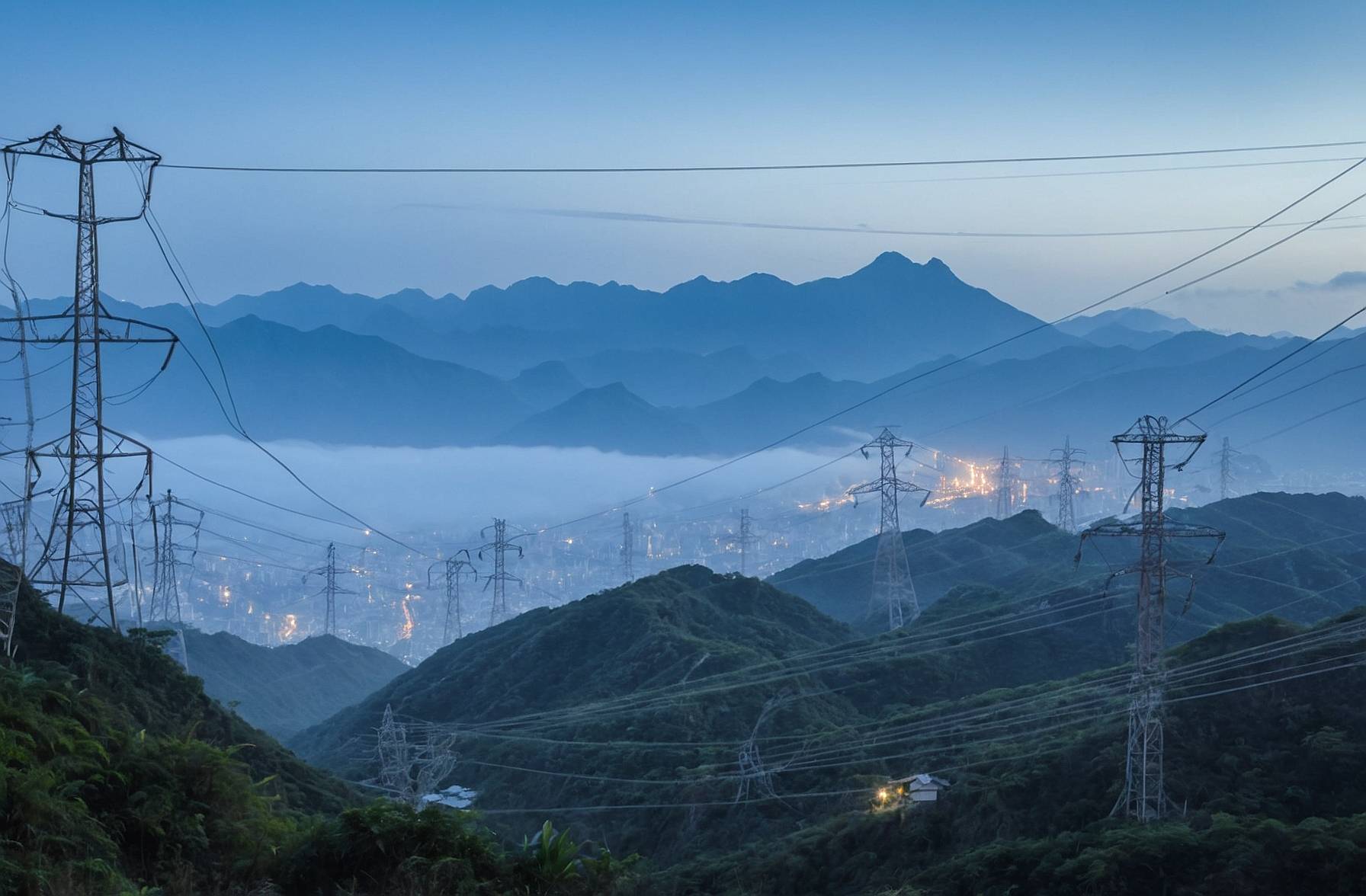
The economy ministry announced 'on Friday that Taiwan won't raise its electricity prices for the time being, despite the fact that energy prices are higher due to the Middle East war. This is to maintain price stability and to keep the industrial competitiveness.
The government is trying to limit price increases for consumers across the board to help reduce the impact of rising energy prices internationally, including heavily subsidising energy.
The ministry released a statement saying that the committee had decided to 'not adjust electricity rates at this time' due to the increased risks of escalating conflicts in the Middle East, as well as changes in international tariffs. This was done to maintain the competitiveness of industry and to stabilize consumer prices.
The Ministry's Electricity?Price Review Committee meets every end of March and September to review rates for the state-owned utility Taipower.
Taiwan is a major supplier of advanced semiconductors that power the AI megatrend. It has kept its inflation rate below the central banks 2% warning line for the last 10 months.
Taiwan's central banks said that in a report presented to lawmakers on Friday, the impact of war on the economy is dependent on its length, intensity, and geographical scope. However, it said, "it generally expects stable growth this year."
ALTERNATIVE SOURCES
Taiwan, which was heavily dependent on Middle East crude oil and gas as a source, has been forced to find alternative suppliers, including the U.S.
Taiwan has also started to reconsider the use of nuclear energy, after closing the last station in the south of the island last year.
In a separate Friday statement, Taipower stated that it sent a proposal for the reopening of this plant to the Nuclear Safety Commission.
It said that even if the plan was approved, the plant wouldn't be back in operation immediately as safety inspections can take up to 2 years. (Reporting and editing by PhilippaFletcher, Jane Merrill and Ben Blanchard. Additional reporting and reporting by Faith Hung.
(source: Reuters)
