South Korea's electricity demand is set to rise on the back of AI boom, as nation considers expanding nuclear energy
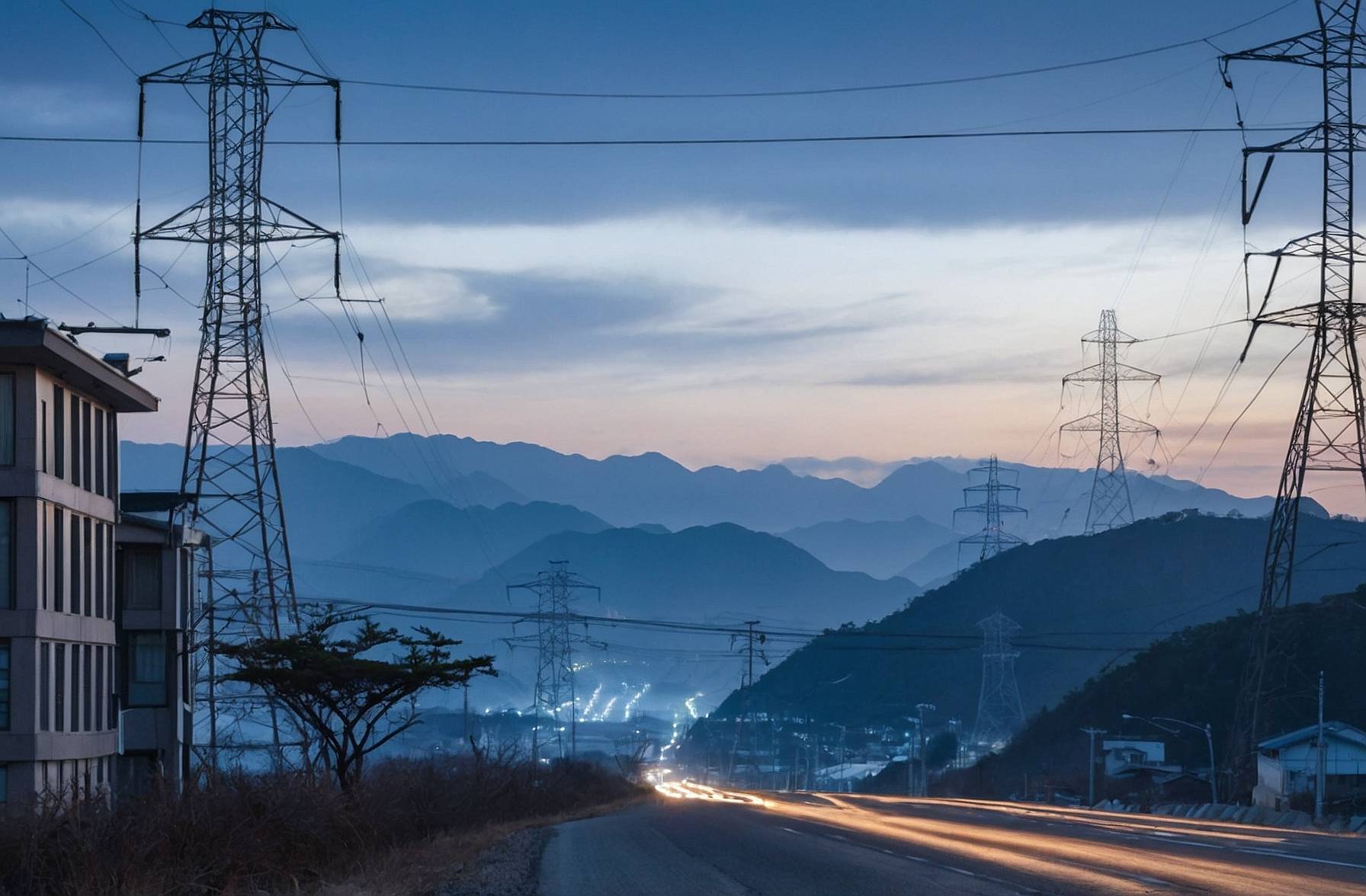
According to the energy minister, South Korea's demand for 'power' in the future will surge due to plans by Samsung Electronics and SK Hynix of expanding production 'and building new AI data centers'.
Kim Sung Whan, Minister of Climate, Energy and Environment, said that the AI-driven power requirements?alone? will increase South Korea's power demand by 25-30 gigawatts.
He added that the country would also have to deal with an increase in power demand as a result of the switch to electric cars from gasoline-powered vehicles and the use of electricity for heating rather than gas.
His remarks come before a government plan that will unveil next month a new update to the country's long-term roadmap for energy, which extends it by two years until 2040. South Korea's plans to build new nuclear reactors are a key issue.
Kim refused to comment on the number of reactors that he believes the country requires, saying the issue was being examined by experts. He described nuclear energy as an "essential element to consider in the power generation?structure of our mix."
According to current standards for a South Korean designed unit, an additional 25-30 gigawatts could be generated by nuclear energy. This would equal the capacity of approximately 20 reactors.
Asia's fourth largest economy has 26 nuclear reactors, and nuclear energy is responsible for just over a third (or less) of its power needs.
SOME CITIZENS ARE WORRIED BY NUCLEAR SAFETY
As part of a "mega-project" worth 800 trillion won (590 billion dollars) announced by the Korean government in this year, Samsung?and SK Hynix, two of the largest chipmakers in the world whose products are vital to AI infrastructure have committed to building new factories.
Kim stated that "Projects initially planned to be constructed by 2045 were significantly accelerated, and will now be completed in the early 2030s."
Kim said that a number of U.S. technology companies, including Nvidia, have expressed an interest in building data centers in South Korea due to its reliable power supply.
He said that while South Korea is working to increase its renewable energy sources, which currently account for 11% its electricity needs, it cannot avoid nuclear power for the time being despite its safety concerns.
According to a poll conducted by the Korea Energy Information Culture Agency,?79% out of 2,000 respondents favored including new nuclear power plants on the roadmap.
In May, however, a civic organization in Ulsan - a city that is a "potential location for new plants" - collected more than 10,000 signatures against the construction of additional reactors.
Kim said that he didn't expect the cluster of chip factories planned in the southwest part of the country to require a nuclear plant because there are already six reactors operating alongside existing wind and solar farms.
He said that regions like Seoul, which rely on the electricity from this area, need to add solar plants or liquefied gas plants.
Gas and coal are also important energy sources for South Korea. Currently, they account for 29%, while coal accounts for the remaining 27%.
The country currently has 60 coal-fired?plants, and plans to phase them out in 2040. However, 20 of them still have a design life that is legal beyond this point and could be kept as backup power.
It's like a safety reserve. Kim explained that you never know what could happen. So, removing everything completely might put us in an uncomfortable situation.
(source: Reuters)


