US shale companies unlikely to drill $100 per barrel unless prices remain high, executives claim
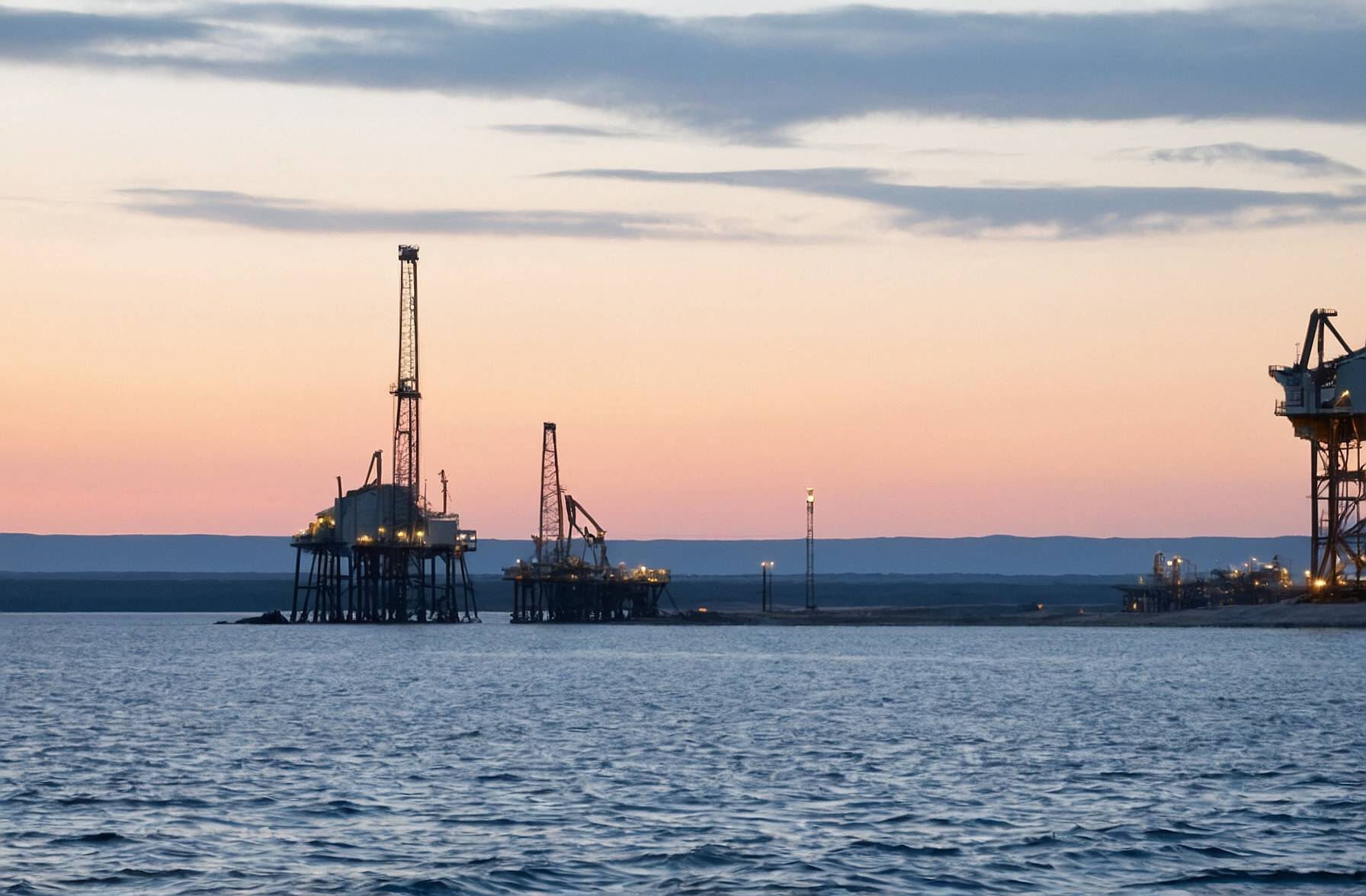
Shale executives?said that oil prices above $100 a barrelle would 'not trigger a meaningful increase in production in the U.S. unless the price remained high for a period of more than a year, at the CERAWeek conference?in Houston. This is troubling news for the consumers who have been hit by the energy 'crisis during the U.S. and Israeli war on Iran.
Because they can produce crude oil relatively quickly, shale producers have helped the U.S. become the largest producer in the globe. They are also often relied upon to help fill any supply gaps. In recent years, however, shale oil companies have been more focused on returning capital back to shareholders than increasing output. Others face increasing costs and mature fields.
Nick Olds said that ConocoPhillips does not plan to increase production. He added that the company would need sustained higher prices.
The Iranian government's closure of the Strait of Hormuz - a narrow channel that runs along its coast - has effectively stopped the flow of oil from the Middle East, which is responsible for around half of global prices.
Executives said that many U.S. companies have already locked in their drilling plans and budgets. Prices for future months will need to increase for these companies to update them. Even then, executives said it would still take at least a half-year to remove the barrels from the ground.
The cycle can take a full year, even in the U.S. which is a market with a short cycle. Steve Gassen said that nine months would be a very good scenario, speaking on the sidelines at the CERAWeek Conference.
Operators should have a clear view of higher oil prices over a longer period before they decide to increase production. Gassen says that the fear is that oil prices will normalize to $60 or $65.
Gassen said that SLB has been in extensive contact with operators in the U.S. but they are still in the evaluation stage.
U.S. Oil Futures for October Delivery are currently trading at $77 per barrel, or about $11 below current prices.
Executives said that the U.S. will not be able to produce much more crude oil in 2026.
We have a plan and we cannot improvise due to the environment or the price. "Let's stick with the plan," said Francisco Gea. He is the executive managing director of exploration and production for the Spanish major Repsol. Repsol has operations in Texas, Alaska, and the Gulf of Mexico.
Companies will speed up or restart drilling programs, if prices remain stable for at least two consecutive quarters. Linhua Guan is the CEO of Surge Energy America one of the biggest private producers in the Midland Basin. She added that companies would look to complete wells already drilled to quickly bring barrels on the market at current higher prices.
Guan said that shale operators would also use the high price to increase?hedge position, which would essentially lock in the higher value of?future? sales.
Denzil west, CEO of Admiral Permian Resources in Texas, also said that the company would not increase activity at $90 per barrel because it was not a sustainable price to commit to an increased level of activity. The company runs two rigs and produces about 25,000 barrels per day.
West said that it would increase activity if the prices remained high for a period of six to twelve months. (Reporting from Arathy S. Somasekhar in Houston, Georgina M. McCartney in New York and Sheila D. Dang at the Associated Press; editing by David Gregorio.)
(source: Reuters)


