US sanctions against Iran are being expanded in an 'economic assault'
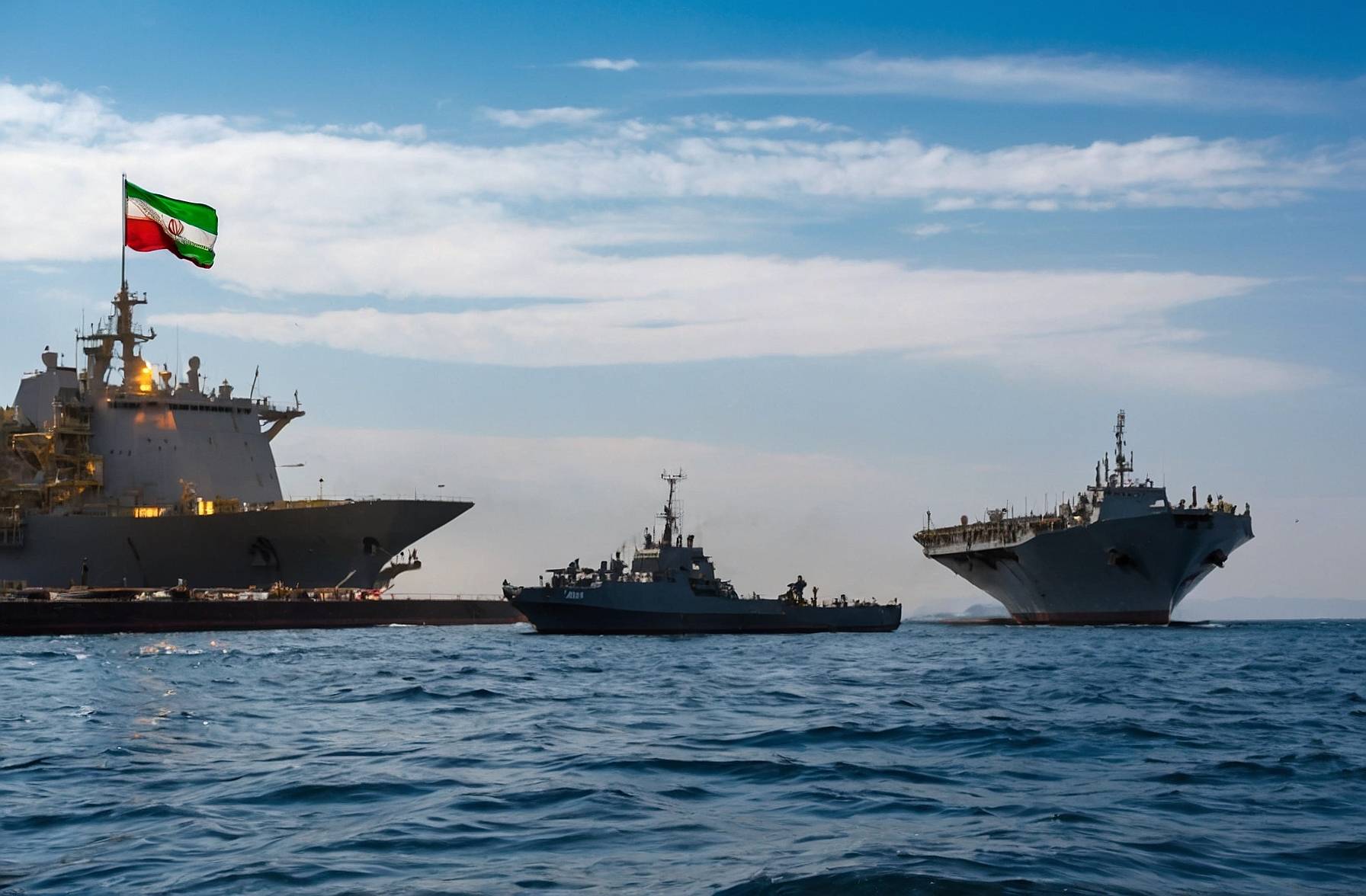
The Trump administration announced on Monday that it would be expanding the secondary sanctions imposed on countries and entities with business ties to Iran around the world. Washington is increasing economic pressure against Tehran as its war approaches six months.
Treasury Secretary Scott Bessent announced at a press event what he called an "economic D-Day". The goal was to send a final message to countries that they should cut their ties with Iran, or else risk being excluded from the US-based financial system.
"We have launched an economic assault against Iran's global financial connections." Bessent stated that the goal was to cut off every economic 'lifeline' that supports this tyrannical government until Tehran is left alone.
The U.S. Treasury Department mapped out the networks, facilitators and financial?channels used by Iran to smuggle crude oil and evade sanction and stated that Washington will work with U.S. allies to target any sources of "illicit revenue" from Iran.
The Department of State has announced that it has made determinations in five sectors - digital assets, technology and gold, aviation, shipping, and aviation -- which the Iranian government uses to bolster its economy. Treasury also imposed sanctions against nearly 60 entities and individuals.
China has been the largest buyer of Iranian crude oil for many years. Washington has increased its efforts to crack down on Chinese purchases but has not yet designated larger Chinese banks who may be facilitating oil trade.
Trump's war against Iran is approaching its six-month anniversary. Although the fighting has ceased, diplomatic efforts have failed to bring an end to the conflict. Oil and raw materials shipping through 'the Strait of Hormuz remain blocked. This is keeping energy prices high.
Trump's approval ratings have fallen to an?lower point. In the latest Ipsos survey,?only 33% of Americans approved of his performance. He claims that the costs of preventing Iran from acquiring a nuclear weapon are worth it.
The U.S. maintains sanctions against Iran since decades. Most of these sanctions?have been designed to curtail the country's oil revenue, aviation sector and cryptocurrency. They also aim to cut off funding for businesses controlled by the Islamic Revolutonary Guard Corp, which is a dominant force within the Iranian economy.
The sanctions bar designated entities (such as Iran) from using the dollar-based system of financial transactions. However, Iran has succeeded in setting up new front companies and other entities, including vessel registrations, to avoid the sanctions. (Reporting and editing by Andy Sullivan; Additional reporting by Humeyra Pauk; Alistair Bell, Alex Richardson, Paul Simao, and Andy Sullivan)
(source: Reuters)


