Russia's Threatens to Divert LNG Cargo From Europe, Options Limited
© Adobe Stock/Yellow Boat
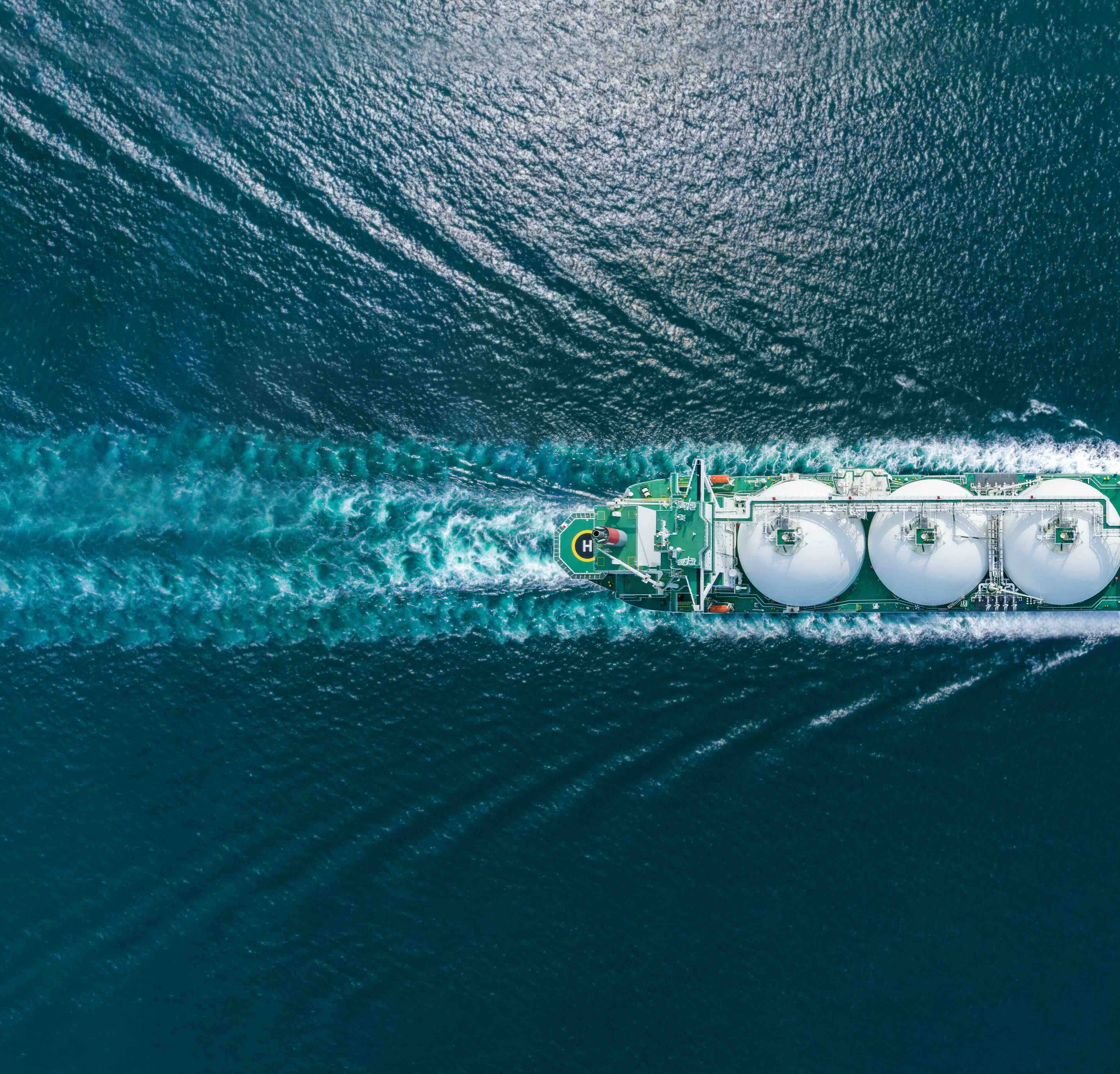
Russia's threat to halt liquefied natural gas (LNG) deliveries to Europe and divert cargoes to Asia would prove difficult to achieve because of its long-term contracts and need for more Arctic-class tankers, industry analysts said.
President Vladimir Putin said in a TV interview early in March that Russia could stop gas supplies to Europe with immediate effect and seek longer-term commitments from other buyers.
The impact of the U.S.-Israeli war on Iran has caused a surge in gas prices, as the conflict has effectively shut off 20% of global LNG supply.
Russia, facing a European ban on Russian LNG imports on short-term contracts from April 25 and on long-term contracts from January 1, 2027, could look elsewhere for customers seeking to access LNG supplies.
Putin, who said he was "thinking out loud", said in the TV interview: "Perhaps it would be more profitable for us to stop supplying the European market right now."
But analysts said the structure of Russia's LNG contracts leaves it with limited flexibility to ship the gas elsewhere.
The European Union imported 14.94 million metric tons (mt), or 20.3 billion cubic metres (bcm) from the Yamal LNG project in Russia's western Arctic in 2025, according to data from Kpler. Around 70% of these Yamal volumes are tied to long-term contracts.
Russian companies have around 2.4 mt of spot LNG available this year, said Tom Marzec-Manser, director Europe gas & LNG at Wood Mackenzie. Sending those volumes to Asia before Arctic routes reopen later in the summer would make little economic sense.
"At best, a maximum of 1.7 million mt could be diverted away from Europe to Asia this year," Marzec-Manser added, based on available volumes for the rest of the year.
This represents about 1.7% of the European Union's 2025 LNG imports, which totalled 100.5 million tons, according to Eurostat figures.
Aside from supply availability, shipping the gas is much trickier. The Northern Sea Route, which runs along Russia's Arctic coastline, is the shortest way to reach Asian buyers but is navigable for only part of the year.
Specialised ARC7 ice-class vessels can typically make the journey via the Northern Sea Route from about July until late November, said Kjell Eikland, director of energy shipping analysis firm Eikland Energy.
At all other times, Asia-bound cargoes must travel via the Suez Canal or around the Cape of Good Hope, which can take twice as long depending on the route, based on shipping data and analyst estimates.
Yamal LNG currently exports 18 million tons per year, according to Eikland.
To maintain these levels, while serving customers in Asia from 2027, gas producer Novatek, Yamal LNG's majority owner and operator, would need to charter 25-35 additional tankers to ship LNG via the Suez Canal or the Cape of Good Hope during the winter season, he said.
Re-routing 30% of volumes sold under spot contracts from Europe to Asia this year, could still require an additional ten vessels, Eikland said.
Russia has avoided the Suez route since early March after a tanker carrying Russian LNG caught fire off the Libyan coast. Moscow described the incident as an attack by Ukrainian naval drones launched from the Libyan coast. Ukraine has not commented.
BIG DISCOUNTS NEEDED
Another major hurdle for Russia is financing.
Yamal is not under direct sanctions from the U.S. or Europe, but other Russian LNG plants, vessels and finance firms are, making it tough to secure trade financing.
LNG trading sources told Reuters that payment for extra LNG flows would likely have to be outside conventional banking channels, largely through government-to-government arrangements.
LNG freight rates have spiked following the Middle East crisis, so diversions to Asia would make sense only at significantly discounted prices, said Masanori Odaka, an analyst at Rystad Energy.
Given the surge in LNG prices, even a steep discount for Russian LNG may still be too expensive for highly price-sensitive Asia buyers, analysts said.
China, already Russia's main customer, could become a buyer of any additional Russian LNG, but would be likely to seek big price discounts, the analysts added.
China has so far absorbed all the volumes from Russia's sanctioned Arctic LNG-2 project, albeit at a steep 30-40% discount to benchmark LNG prices.
Route options for Russian LNG from Yamal: Route options for Russian LNG from Yamal https://reut.rs/4lRhDkb
(Reuters)