Iran's main oil, gas and infrastructure production
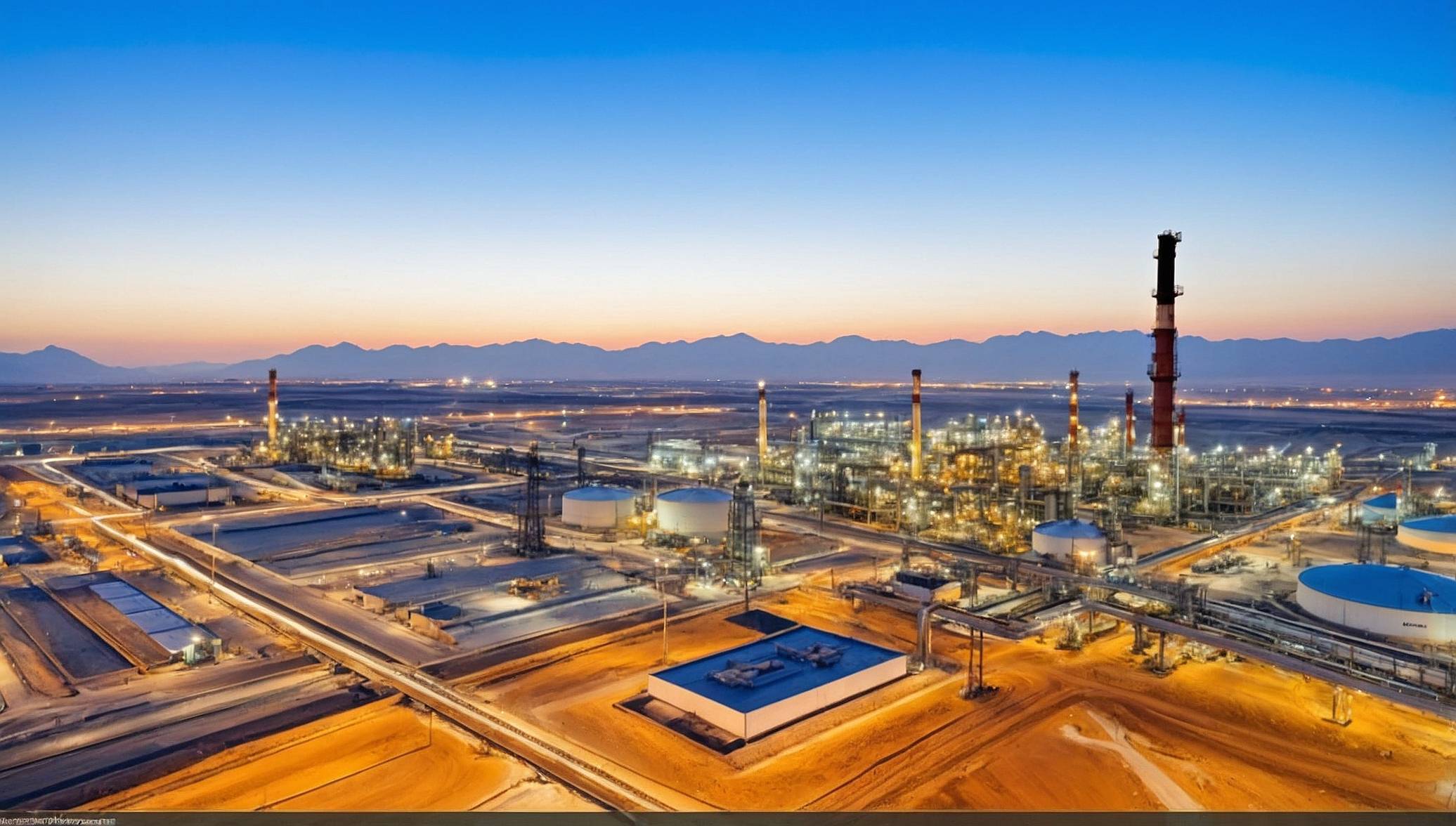
On Saturday, Israel and the United States launched an offensive against Iran.
The attack could cause oil and gas production to be disrupted and damage the energy infrastructure in the Middle East.
Here are some facts about Iran's energy sector, exports and the impact of Western sanctions on Iran:
OIL PRODUCTION & INFRASTRUCTURE
Iran is the third-largest oil producer in the Organization of Petroleum Exporting Countries (OPEC). It pumps 4.5% or so of world oil. Iran produces 3.3 million barrels of crude oil per day, plus another 1.3 million barrels of condensate.
According to FGE, Iran's domestic refining capacity is 2.6 million barrels per day.
According to Kpler's estimates, in 2025 it will export nearly 820,000 bpd, including LPG. This is slightly lower than the levels of 2024.
The oil and gas production facilities in Iran are concentrated in the southwestern provinces. Khuzestan is for oil, Bushehr is for gas from South Pars and Bushehr also produces condensate. It exports 90% of?crude through Kharg Island for shipping across the Strait of Hormuz. Analysts believe Saudi Arabia and other OPEC countries could compensate for a decline in Iranian supply by pumping more oil, even though spare capacity is shrinking because of the output increases that the producer group made over the past year.
Who is the main buyer of Iranian oil? The main buyers are Chinese private refiners. U.S. Treasury imposed sanctions against?some Chinese refining companies for purchasing Iranian oil.
China has said that it does not recognize unilateral sanctions against trade partners. However, its purchases of Iranian oil have decreased. Data from Kpler, published on 27 February, showed that Iran has also built up a record amount on water of around 200 million barrels. This is equivalent to two days' worth of global consumption. Iran has avoided sanctions for many years through measures like transferring oil from one ship on the sea to another and changing the source of the oil to hiding the location of tankers from satellites.
The World's Largest Gas Reserve
Iran produces natural gases from the South Pars gas field offshore, which is around one-third of the largest natural gas reservoir in the world.
The North Dome is the name of the field that Iran shares with the major exporter, Qatar.
Due to technical and sanctions constraints, most of the gas produced by South Pars in Tehran is used for domestic consumption.
According to the Gas Exporting Countries Forum, Iran's total gas production in 2024 will be?276 Billion cubic meters, of which 94% will be consumed by Iran.
In June of last year, Israelis attacked four units in Phase 14 of South Pars. These were located around 200 km from Qatar's natural gas installations. Many of these joint ventures are with the energy giants ExxonMobil, and ConocoPhillips.
Qatar has been exporting natural gas liquefied for almost three decades.
There are 1,800 trillion cubic meters of gas in the reservoir, enough to meet all world needs for 13years.
(source: Reuters)
