Forget about 3% US inflation. McGeever: It's headed for 4%.
Is 4% now the new 2%?
The U.S. has had inflation above the Federal Reserve target for so long, that many observers think policymakers have accepted an even higher level. Now, the concern is that inflation just "keeps rising".
Investors, businesses, and consumers could be forgiven for believing that policymakers are happy with a 3% inflation rate, despite the Fed's repeated commitment to 2%.
The headline annual PCE inflation rate and CPI rates have been higher than the Fed's target of 2% every month for the past five years. Core inflation rates have also been above the Fed's 2% target for five years and counting.
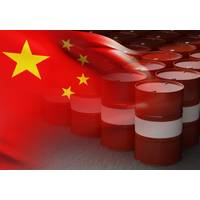
The problem will only get worse. Energy prices are rising so fast due to the Strait of Hormuz closure, including gasoline, diesel, and jet fuel. The U.S. is now experiencing inflation of 4%.
Last week, figures revealed that the PCE Price Index - the Federal Reserve preferred measure of inflation -- had reached 3.5% for the year in March. This was the highest level in almost three years. The jump of 0.7 percentage points from the previous month was the largest in five years.
The core PCE inflation rate, which is also closely monitored by the Fed, increased more slowly, to 3.2%. The longer energy prices stay high, the more likely it is that they will eventually affect core inflation. In this regard, policymakers should be concerned.
UPSIDE RISKS
The "Inflation Nowcasting Model" of the?Cleveland Fed projects that core PCE for this year is running at 3,7%, headline PCE at 5,4%, and headline CPI at a staggering 6.1%. Red flags have become a deeper shade of scarlet.
UBS economist Alan Detmeister cites the rise in gasoline prices as the reason for the 4.3% headline CPI inflation in May. This is a jump of nearly two full percentage points compared to the 2.4% headline CPI from February before the Iran War began. It's also one of the biggest three-month changes ever recorded in the headline CPI.
Detmeister predicts that the headline CPI will rise by 8.51% over the next three months in May. This would be the fifth highest reading since 1982, excluding the pandemic years of 2021-2022.
He says that the risk to his headline CPI forecast is to the upside, given the recent jump in gasoline prices.
A spike in inflation of this magnitude is possible.
According to the American Automobile Association, the average price at the gas pump is $4.45 per gallon. This represents a nearly 50% increase since the beginning of the war. Analysts claim that this is the largest increase in 30 years. Fuel oil has risen by over 70% and jet fuel is more than 90% higher since the start of the war.
Policymakers can relax a bit if these increases do not spill over to core prices. But that is a big "if." Fed appears to be getting nervous,?judging from the fact that the last policy meeting had the highest number of dissenters since 1992.
BAPTISM FIRE
Kevin Warsh's timing couldn't be worse. He is expected to be confirmed by the Fed as its new chair at the end of this month. This casts doubt on his suggestion that they should reconsider their main inflation metric.
Warsh floated the idea that the PCE index would be replaced as the main inflation guide by a new measure, which has yet to be determined. It is similar to the "trimmed average" calculated?by both the Dallas Fed and the Cleveland Fed.
Dallas Fed and Cleveland Fed's trimmed average annual rates of inflation currently are lower than more established PCE or CPI measures. The Cleveland Fed's rate in March was 2.3%, while the Dallas Fed measure was 2.9%.
Warsh may find it hard to convince his colleagues that these gauges are more reliable when those on which the Fed?has relied for decades flash red.
Bob Elliott, CEO at Unlimited and CIO, believes that most developed countries will experience 4% inflation in the near future if oil prices remain high.
Elliott states that "3% is the new 2%." "When you come into an already high inflation shock, the it's temporary are much lower."
It's probably a good idea. Warsh should learn from outgoing chair Jerome Powell to refrain from using the T-word.
You like this column? Check out Open Interest, your new essential source for global financial commentary. Follow ROI on LinkedIn and X.
Listen to the Morning Bid podcast daily on Apple, Spotify or the app. Subscribe to the Morning Bid podcast and hear journalists discussing the latest news in finance and markets seven days a weeks.
(source: Reuters)