Energy Minister: Norway will drill in Arctic regardless EU's position
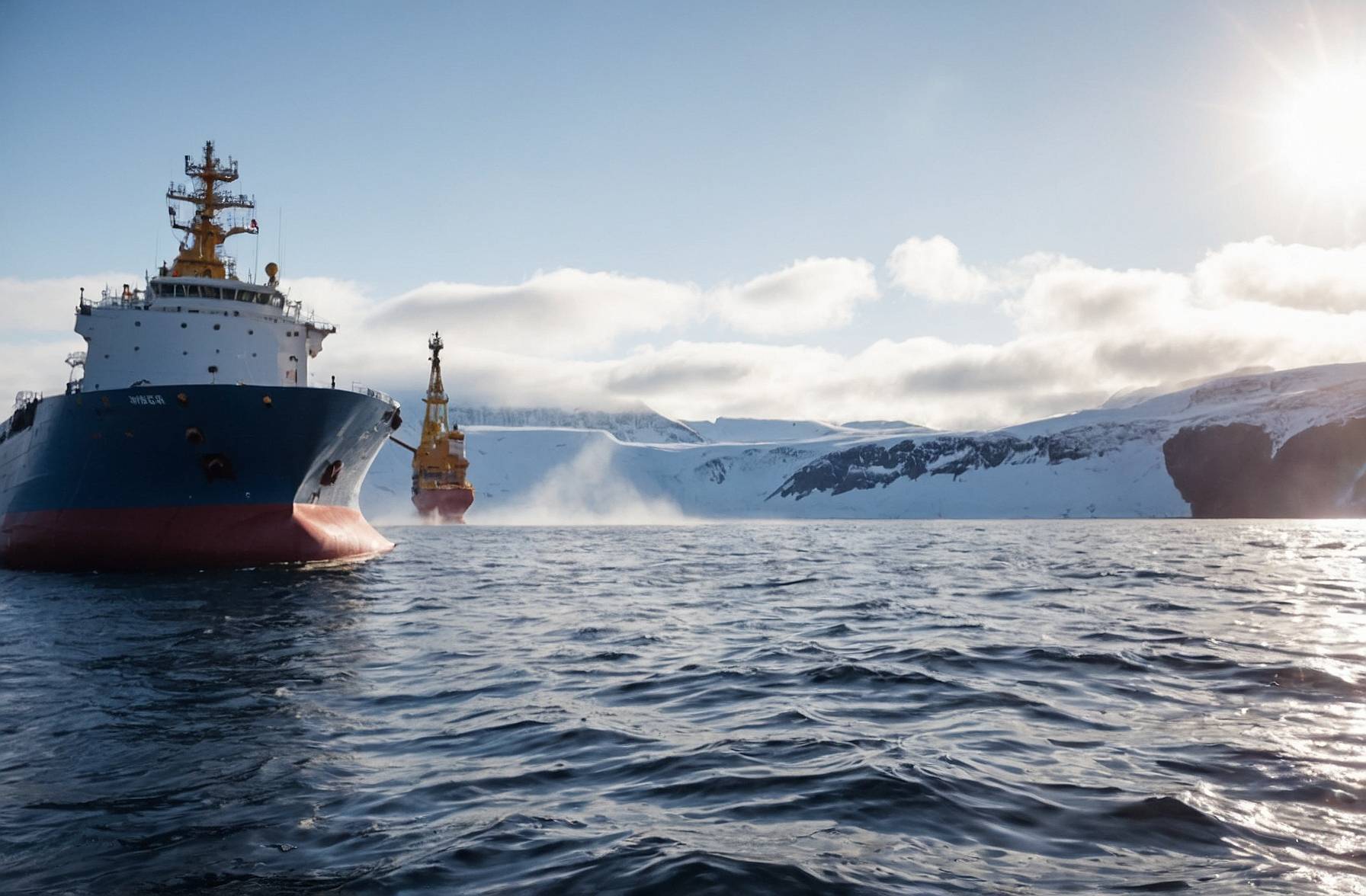
Norway will develop its oil and natural gas resources in Barents Sea despite the European Union’s support for a moratorium of Arctic hydrocarbon supplies. Energy Minister Terje Aasland said Norway no longer views itself as Europe’s “green?battery”.
Norway is now Europe's biggest natural gas supplier, and supplies around 30% of the demand for gas in both Europe and Britain.
The country's "gas" production was at near-record levels last year. Meanwhile, oil production reached its highest level in 2009. The official forecasts show that production will fall sharply by 2030, unless new resources can be discovered and developed.
In the current geopolitical environment and considering the resources available, I think that continued activity in Barents Sea is in both Norwegian and European interest," Aasland stated in an interview before ONS, Norway’s biannual conference on energy, which starts in Stavanger, Norway, on Monday.
The European Union supports a current ban on new drilling within the Arctic for environmental reasons, but may revise its policy to address concerns over energy security.
Aasland stated that Norway intends to maintain its petroleum production and exports?roughly at current levels until 2035 at the latest, with Barents Sea production being key.
He said that if Norway wants to be a long-term oil and gas supplier to Europe ...,, then the Arctic must be included in this discussion.
Norway has said in discussions with EU officials that parts of the Barents Sea open to petroleum activity, like the North Sea are also ice free, and less susceptible to oil spills, as well as other environmental impacts. They are also helping to maintain jobs and settlements in the northern regions of the country, bordering Russia.
Aasland is confident that Norway's arguments will be heard in Brussels. However, he added that the country has the right to develop its Barents Sea Resources even if EU continues to support the moratorium.
Aasland stated that "we would develop these areas and it will then be up to EU if they want a moratorium in buying this gas or oil."
He added that the Arctic oil will be sold to global markets, and that gas can be exported as liquefied gas from Equinor’s Melkoeya plant near Hammerfest.
Fatih Birol, Executive Director of the International Energy Agency, has also called on the EU to reconsider its opposition to new Arctic oil-and-gas developments. He argues that future supplies are needed to ensure energy security.
The critics of this move claim that it would take years for new Arctic projects to be completed and they would not do much?to help Europe with its energy needs in the near future.
Green Batteries "A Flawed Idea"
Norway, in addition to producing oil and gas, produces an excess of renewable energy the majority of?years. This is due to a vast network?of waterways and reservoirs feeding hydroelectrical plant, which has been exported to Europe through cross-border cables.
Norway was once referred to as the "green battery" of Europe. But the minister has said that this concept is outdated, since Norway cannot balance the European energy market on its own.
Aasland stated that the idea was flawed.
This idea has been criticized in Norway because of the rising prices for electricity in Europe.
Norway is more susceptible to price fluctuations on the continent because of its deeper integration with Europe's energy system.
Aasland stated that Norway will not be building new "interconnectors" but is committed to a strong power sector collaboration with Europe.
He called on?countries in the continent to improve their power supply stability, which has been weakened by the closure of coal and nuclear plants and lack of investment into new gas-fired generators.
This will reduce prices and increase reciprocity in the power flow between countries.
Aasland stated that the future of the system lies in its strength and integration. (Reporting and editing by Susan Fenton; Nora Buli and Nerijus Adomiaitis)
(source: Reuters)


