Congo tightens its grip on cobalt by imposing new export restrictions
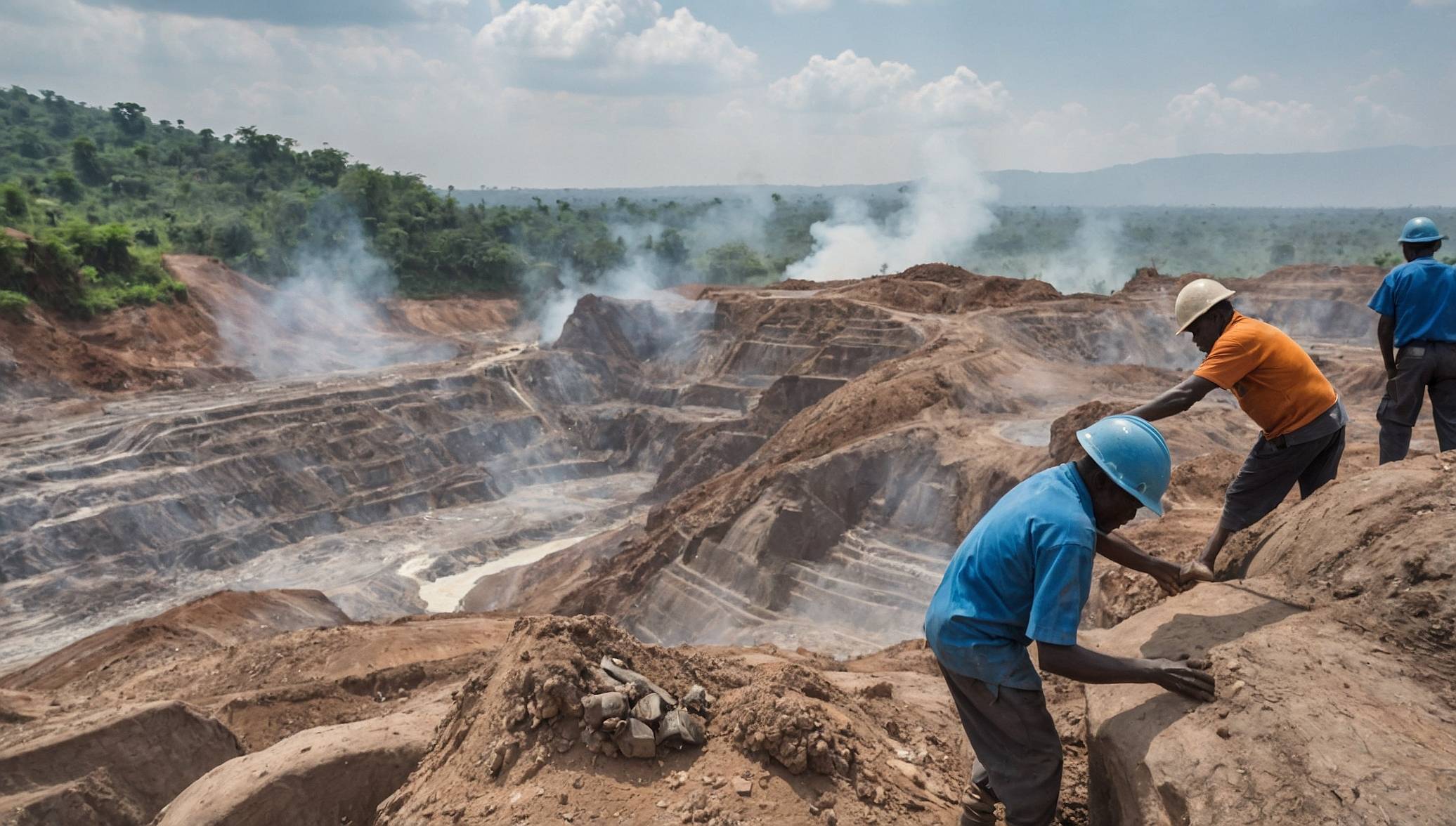
According to a government document reviewed by, the Congo has introduced new conditions for exporters of cobalt. This could complicate a recently implemented quota system, as the country tries to maintain a tight hold on this key mineral.
Circular shows that the new conditions include, among others, pre-paying a 10% royalty in 48 hours, and obtaining a certificate of compliance.
In October, the Democratic Republic of Congo introduced a quota-based system to replace a long-standing export ban. The goal was to increase state revenue and improve oversight in this country, which produces 70% of all cobalt in the world, an important component of electric vehicle batteries.
Since the lifting of the ban, no shipments have been reported as producers work to comply with compliance rules and seek clarification.
The circular, dated 26 November, from the Mines and Finance Ministries, outlines procedures for exporters. These include mandatory quota-verification, joint sampling, weighing and seal of lots and issuance of a Quota Verification Certificate by the Authority for the Regulation and Control of Strategic Mineral Substances' Markets.
The AVQ is required to accompany all export documentation, along with a list of certificates issued by multiple agencies. The new rules came into effect immediately.
Exporters are also required to pre-pay 10% of the mining royalty allocated on quotas in 48 hours after filing their origin and sales declarations and receive a "liberatory reception" before customs clearance.
Circular states that all mineral shipments must undergo physical inspections, and will be monitored by multiple agencies.
Congo's Mines Chamber and the mines ministries didn't immediately respond to comments.
COBALT EXPORTERS CONSIDERING UNCERTAINTY ABOUT EXPORT REGULATIONS
Congo has allocated 18125 metric tonnes of export quotas to the fourth quarter 2025. It plans 96.600 tons per year starting in 2026. The top producers, China's CMOC & Glencore, received the biggest quotas. ARECOMS was left with a 10% reserve.
Congo has warned non-compliance can lead to severe penalties including license revocation.
An executive in the mining industry, who refused to be identified due to the sensitive nature of the subject, stated that there is considerable uncertainty surrounding the new conditions.
The executive stated that "Companies are interested in knowing if the 10% royalty for exports will include the amount of the last export before the ban."
Duncan Hay, an analyst at Panmure Liberum, said: "Congo’s shifting export regulations offer no certainty - last-minute royalties demands and complicated paperwork will keep exports volatile and prices fluctuating."
Cobalt currently trades at around $24 per lb, or $52,910 per ton. This compares to $16 per lb, or $35,275 for a ton back in August. The prices have risen since the export ban in February, when they hit a low of around $10 per lb.
Hay said that a further supply shortage could reduce battery demand.
Congo, a major copper producer, is also pushing for reforms in order to gain greater control over its massive mining output. Last month, it launched its first batch traceable artisanal copper and signed a deal with Swiss commodity trader Mercuria for the marketing of cobalt and copper. (Reporting from Kinshasha by Ange Kasongo. Maxwell Akalaare Adombila wrote the article. Mark Potter (editing)
(source: Reuters)