Congo considers cobalt export ban extension, quota plan faces delays -sources say
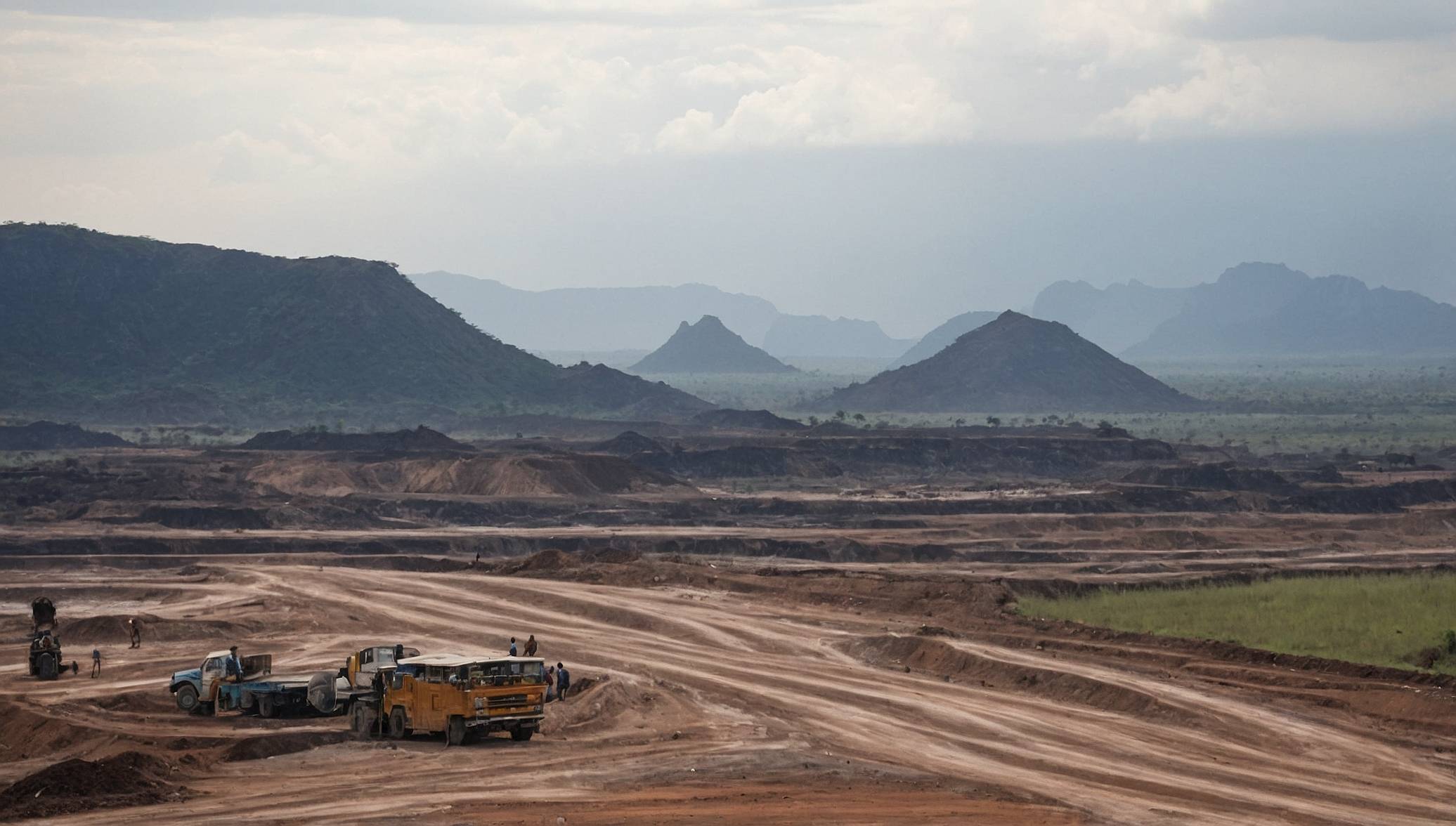
Three sources with knowledge of the situation have confirmed that the Democratic Republic of Congo has been considering extending its export ban on cobalt by at least two more months. Officials are working to develop a new quota system in order to replace the suspension.
A senior official in the Mines Ministry said that the Mines Ministry made the decision because it needed more time to implement the quota system and a further recovery of the cobalt prices.
The Presidency must approve the Mines Ministry decision.
Requests for comments were not answered by the Presidency or Mines Ministry.
The current export restriction, which was imposed in Feburary and extended in Junuary, will expire Sunday, September 21.
The ban was implemented to reduce oversupply, after the price of the main metal used in electric batteries fell to its lowest level in nine years at around $10 per pound.
Cobalt was last priced at 16 cents per pound on COMEX, after a 60% increase since late February.
An analyst and consultant with experience in China-Africa relations said that the quota system was more difficult to implement.
A mining industry source reported that the Congo's Mines minister met with senior executives in the mining sector on Thursday, before beginning broader consultations.
Glencore, the second largest cobalt producer in the world, supports the proposed quotas. However, China's CMOC Group - the number one producer - has lobbied to lift the ban.
Glencore declined comment. CMOC didn't immediately respond to a request for comment.
Silverado Policy Accelerator is a U.S. based non-profit that said the export ban failed to correct prices and curb supply.
In response to questions, it stated that "it is reasonable to expect a complete lifting of the ban to lead to similar outcomes."
Congo, which has vast reserves of gold, lithium, coltan, and other metals, produces more than 70% of the world's cobalt, a large part of it by artisanal miner who are unregulated.
The government claims that illegal mining is the main cause of the conflict in eastern Congo. Fighting with M23 rebels resulted in thousands of deaths and hundreds of thousands of displaced people.
(source: Reuters)


