Clean energy companies in India are seeking better weather data, as regulations tighten.
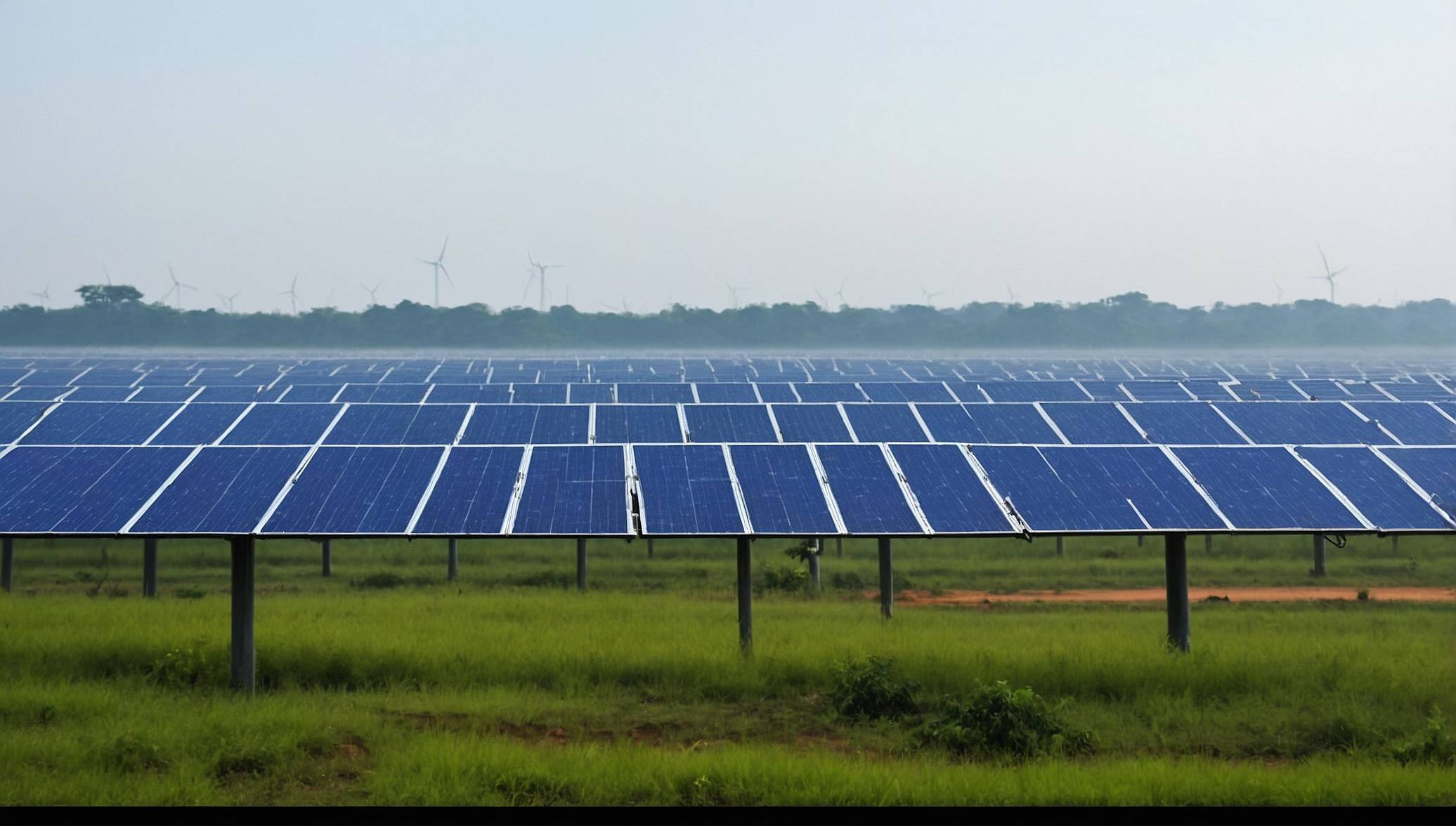
India's clean-energy producers highlighted the lack of weather forecasting models on Wednesday, while the power regulator proposed stricter rules for developers to adhere to their grid commitments.
The Central Electricity Regulatory Commission in India, which regulates the power industry, has issued stricter rules for wind and solar energy producers. This is under the Deviation Settlement Mechanism.
The draft framework was to be implemented from April 2026. Its aim is to gradually reduce the gap between what electricity producers promise to supply and how much they actually produce.
In a recent public hearing, several developers of clean energy pointed out the lack of hyperlocal weather models that could help them meet their promises to generate power for the grid.
Adani Green Energy has the largest portfolio of clean energy in India. Despite collaborating with technology companies in Switzerland and France, and using deep-learning models, they still face challenges in predicting hyperlocal weather conditions for their projects.
Companies said that India's tropical monsoon climate is unpredictable and abrupt, making it more prone to errors in weather forecasting than mid-latitudes such as Europe or the U.S., which have predictable seasonal cycles.
Meanwhile, the radars deployed by the Indian government are from the disaster management perspective and there is no deployment in the renewable-energy-rich areas to assist in the energy forecasting, representatives of IndiGrid Solar told the commission.
The government-run India Meteorological Department is responsible for providing the weather data that's used to forecast across the country. However, its data is updated just once every six-hours, which makes accurate forecasting of short-term weather "nearly impossible", they say.
Reports last week stated that the renewable energy ministry of the country had asked the power regulator to postpone plans for stricter regulations, stating that hefty fines could discourage investments in the new clean energy sector. Reporting by Sethuraman N.R.; Editing and proofreading by Tasim Z.Ahid
(source: Reuters)


