Citgo struggles to determine its long-term strategy as the sale process is frozen, according to sources.
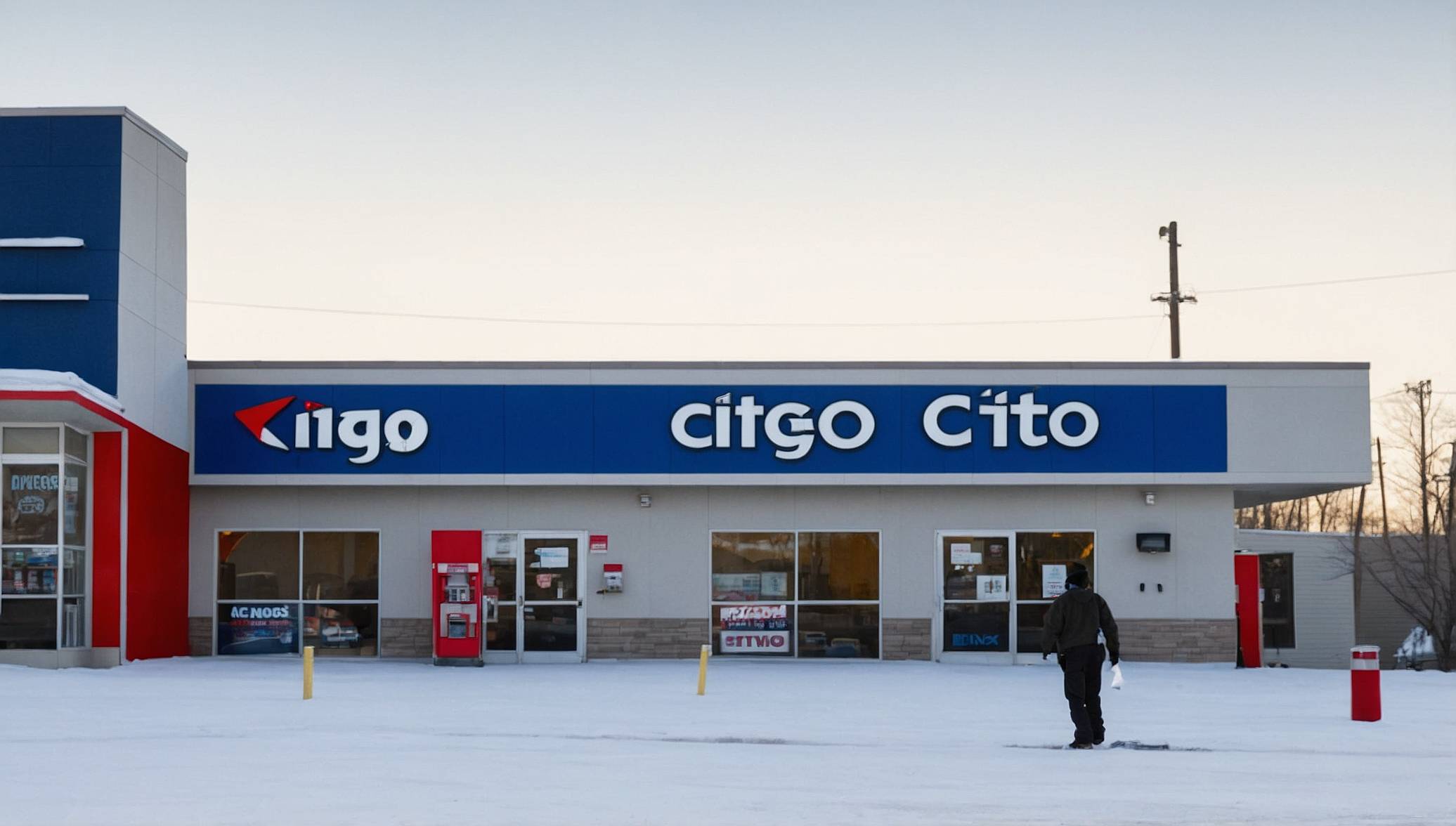
Citgo Petroleum, a U.S. refiner, is struggling to make important decisions regarding investments and finances because the sale of the Venezuelan parent company to an Elliott Investment Management affiliate has been frozen for months despite a U.S. court's approval of the deal. The Delaware court approved Elliott's Amber Energy affiliate's $5.9 billion offer for PDV Holding, the parent company of?Citgo?. This was after two years of auctions in the complex proceedings to compensate creditors of defaults and expropriations of Venezuela.
However, the transaction is not yet completed as it needs to be approved by the U.S. Treasury Department. Early in February, the Office of Foreign Assets Control of the Department extended Citgo's longstanding protection against creditors through March 20, extending a policy that had been in place for many years. According to the sale terms of the court, it did not specify a reason and that the approval had no clear deadline.
The political transition that has taken place in Venezuela since the U.S. ousted President Nicolas Maduro last month, along with?plans for reactivating the country's oil sector, have raised new questions about who owns and controls Citgo, Venezuela's crown jewel.
A source with knowledge of the talks said that the U.S. State Department was seen as one the "main obstacles" to the sale. The Treasury, Commerce and Energy Departments, however, all supported the deal.
State, Treasury and the White House have not responded to comments immediately.
Sources with knowledge of the situation said that Citgo, the seventh largest U.S. refiner, is not allowed to make any changes to its plans until OFAC approves or rejects the sale. This includes taking on debt, making major investments or changing ownership. Citgo's board "keeps the business running and makes routine decisions" - last week, it approved purchasing Venezuelan oil for first time in 2019. The sale order, however, prevents Amber from making major hires, spin-offs, refinery turnarounds or expansions of infrastructure that weren't included in the business plan.
Amber, meanwhile, is becoming more involved in the decision-making processes of Citgo, and is seeking out information on the company's board meetings as well as financial and operational details "on an everyday basis" even though the company is not officially under its control, according to the sources.
Citgo has not responded to our request for a comment. Elliott and the boards that supervise the refinery declined to comment.
CITGO CREDITORS RESIDE IN THE WINGS
Citgo's sale is crucial to compensate?over a diocese of creditors who collectively claim about $19 billion in debt defaults and expropriations.
Citgo has bondholders who have pledged collateral against Citgo's equity. Conoco said that it has made recovering the funds it owes a prerequisite for considering returning to Venezuela as part of the President Donald Trump's $100 billion investment plan.
Conoco didn't respond to an additional comment request.
Source familiar with the talks says that parties who want to see the Amber transaction completed have argued that it supports U.S. interest because it's a?American company.
The parties claim that the transfer of Citgo to Amber will transform the refiner to a truly American company and pave the path for fair compensation to other U.S. firms, including Conoco.
The source confirmed that efforts are being made to set up meetings between Elliott founder Paul Singer, and senior U.S. cabinet members. Three sources said that both Elliott and Venezuela parties have increased their lobbying efforts in Washington over the past few weeks. However, the administration is not ready to take a final decision.
Sources said that since the interim government of Delcy Rodriquez took office in Venezuela last month, Venezuelan parties led by Maria Corina Machado have not met with U.S. officials about Citgo.
The auction was rejected by both Rodriguez and Venezuela’s political opposition. They asked that the U.S. keep the refiner with Venezuela as an instrument for the planned reconstruction of the country.
? (Reporting and editing by Nathan Crooks, Nia Williams and Marianna Pararaga in Houston)
(source: Reuters)

