Bousso: ROI-Permian will retain US oil crown after peaking even though it has reached its peak
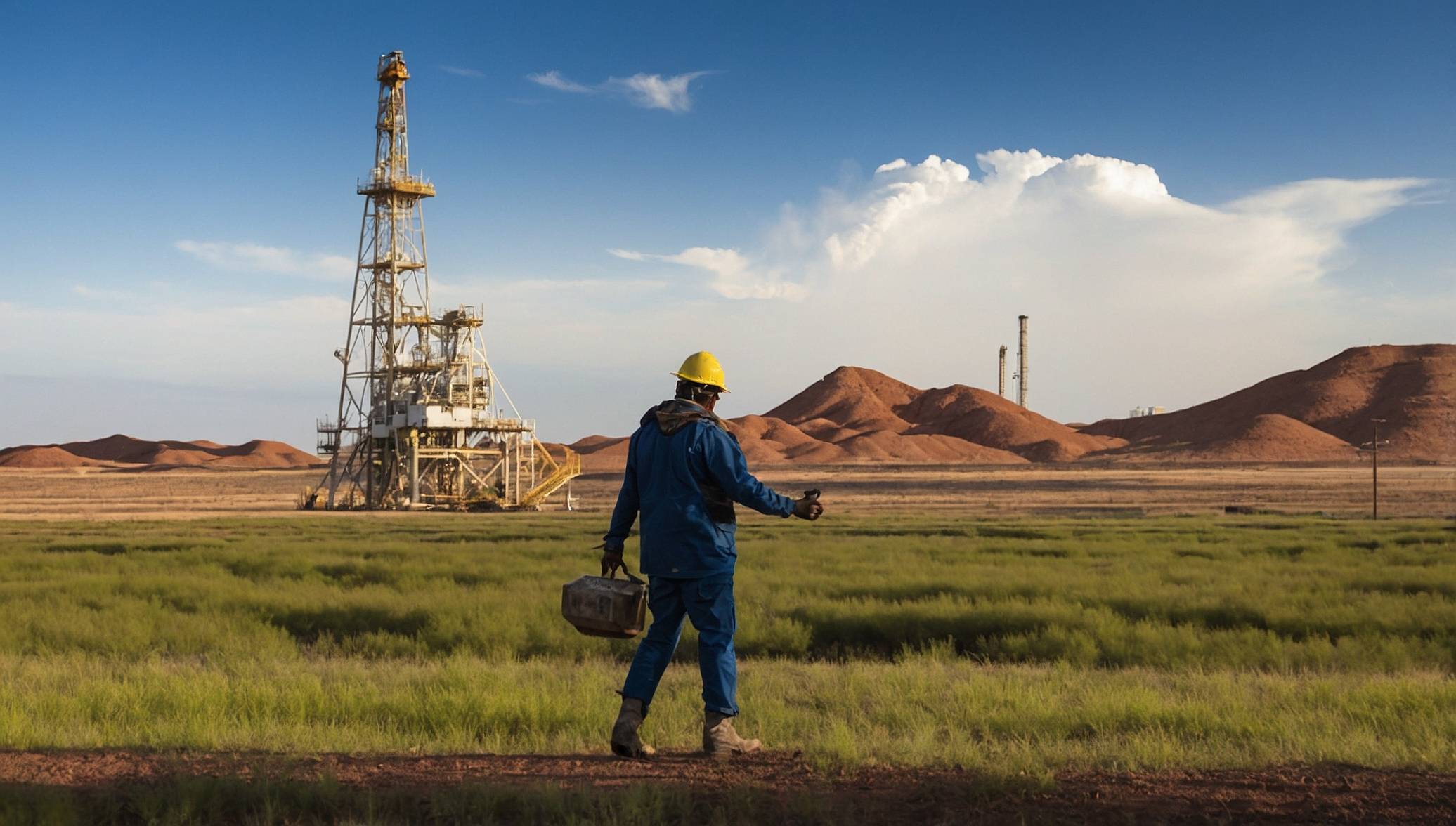
The Permian Basin is set to reach its peak oil production in December. This will be a turning point for the U.S. Shale Boom that has reshaped the global energy markets over the last 15 years. But drilling innovations mean that output in America's largest oil patch will remain stable for many years.
In its latest Short-Term Energy Outlook, the U.S. Energy Information Administration reported that the Permian Basin, which spans West Texas and southeastern New Mexico will produce an unprecedented 6.76 million barrels of oil per day in December. This is only a little higher than November's total. The U.S. Energy Information Administration said in its latest Short Term Energy Outlook that this monthly figure could never be surpassed, as most of Permian’s top-tier oil acres have been tapped.
The improved drilling technology allows firms to explore deeper and newer formations. This means that current production levels are likely to be maintained for many years. Previous warnings about a sudden decline in shale gas have been disproved.
Far from Over
Since 2010, the Permian Basin has been at the heart of the American shale industry, helping the U.S. to become the largest oil producer in the world. In 2025, this basin will account for almost half of the total U.S. oil production of 13.6 millions bpd. Permian Production grew by 400,000 Bpd in December. This is particularly impressive because U.S. Oil Prices dropped below $60 per barrel for the first time this year since early 2021.
Permian oil production would have plummeted at those prices earlier in this decade, but now things are different. According to the EIA, the number active drilling rigs dropped 15% from the previous year's third quarter, despite production increasing. The EIA says that this shows the industry's resilience and efficiency in a lower-priced environment. The EIA hammers home the point by predicting that Permian production will increase on an annual average next year to 6.56 million barrels per day. It also predicts a'sharp drop in Brent oil prices from $69 on average in 2025 down to $55 in next year. This is a level at which many producers struggle to make a profitable profit.
BIG BOYS PLAYGROUND
This resilience is partly due to the fact that the players of the shale industry have changed. In the 2010s, the Permian was dominated by smaller producers. Today it is dominated by a few U.S. oil companies including Exxon Mobil and ConocoPhillips. In recent years, they have acquired smaller competitors in multi-billion dollar deals. Exxon acquired Pioneer Natural Resources for $60 billion in 2024, and Conoco bought Marathon Oil for $22.5 billion the same year.
Consolidation has allowed companies to innovate and reduce costs, making them more able than ever before to weather oil price fluctuations. Exxon is one of the most notable companies to have announced its plans to double Permian oil production between 2024-2030 to 2.5 million barrels equivalent per day (boepd), a jump of 200,000 boepd from last year's forecast.
Exxon CEO Darren Woods stated in a presentation Tuesday that the company uses patented lightweight proppant for improving hydraulic fractures, and artificial intelligence software for better directing drilling paths. This can?extend lateral wells up to 6.4 km (4 miles) away.
Woods stated that such innovations will reduce drilling costs by 40% and increase oil recovery rates by 50% in wells between 2019 to 2030. Chevron plans to keep Permian oil production at 1 million barrels per day (bpd) through 2040. It is now using a method that fractures subterranean rocks in three wells simultaneously. This technique reduces drilling time and costs.
Exxon-Chevron's Permian oil production costs are now around $30 to $40 per barrel. This is lower than the average industry cost of $62.
The Permian Basin is not likely to record the same stellar growth rate it did in the last decade. However, its production will plateau at an extremely high level. This means that this region will remain the backbone of the U.S. Oil Industry for many years to come.
Subscribe to my Power Up newsletter to receive my weekly column, plus additional energy insights and links trending stories in your mailbox every Monday and Thursday. Subscribe to my Power Up Newsletter here.
You like this column? Check out Open Interest, your essential source for global commentary on financial markets. ROI provides data-driven, thought-provoking analysis. The markets are changing faster than ever. ROI can help you keep up. Follow ROI on LinkedIn, X.
(source: Reuters)

