Bayer wants to accelerate biofuel production plan in response to the energy crisis caused by the Iran War
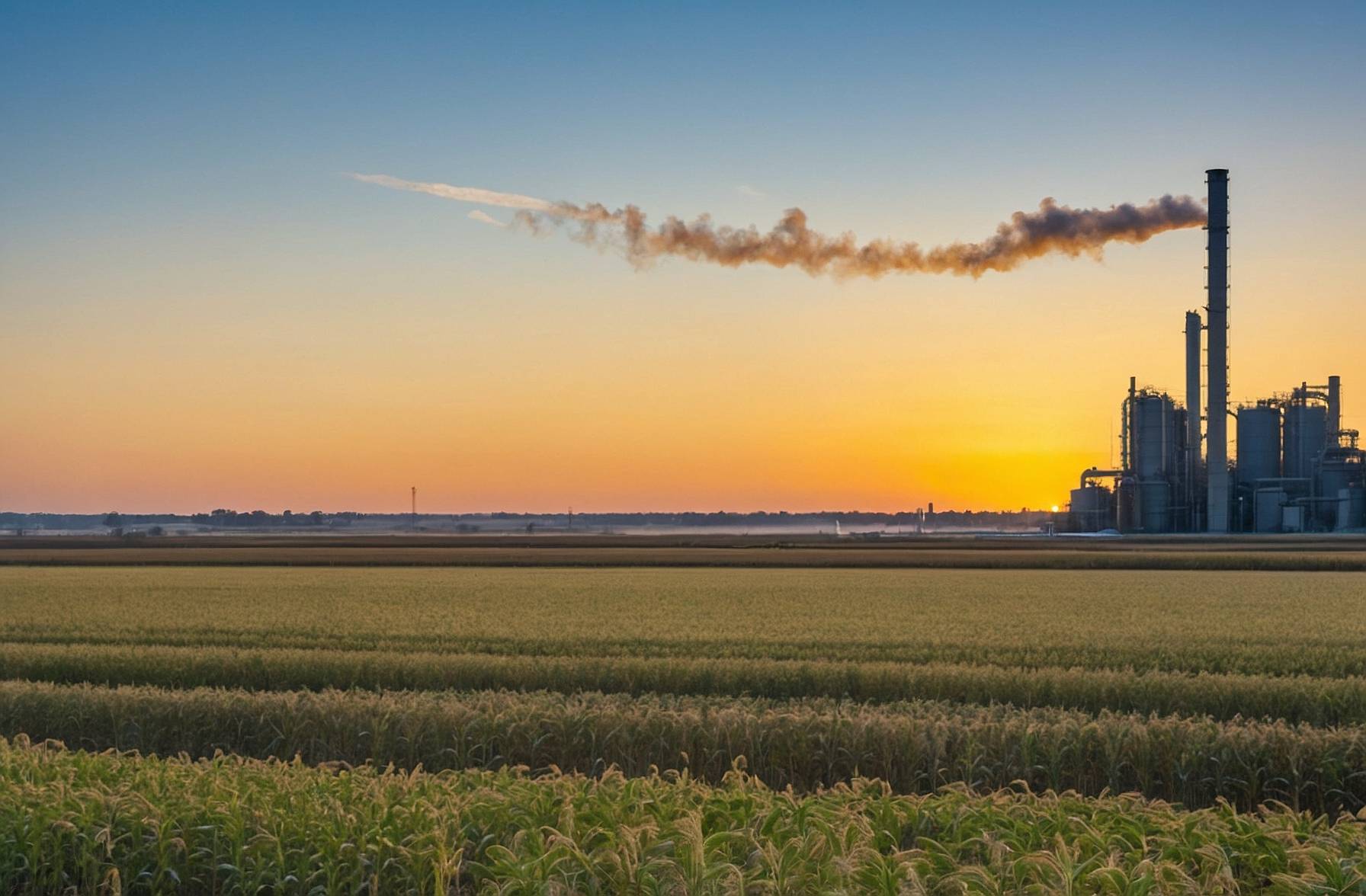
Bayer, a drug-making giant and crop science company, said that it hopes to accelerate a plan in order to facilitate the?North American production?of biofuel feedstocks such as camelina following the?Iran war.
The war has caused a'surge' in fossil fuel prices, which in turn has led to renewed interest in the use of biofuels. These are typically made using locally grown crops such as sugar and corn. They can be used to increase energy security and reduce energy costs.
When fossil fuel prices increase, biofuels that are typically blended with gasoline or used to replace diesel become more cost-effective.
Fossil fuel alternatives have long been the subject of debate about whether burning crops for energy would increase?food costs and deforestation. This has led to the development of second-generation biofuels that are made from organic material and don't compete against?foodstuffs.
Camelina is a good example of an intermediate crop. It can be planted?between the main planting seasons, or?on land that has been underutilised.
Peter Muller, Bayer's head of global cereals, canola, and cotton, told the International Grains Conference in London that the company is evaluating the expansion of its camelina production to other regions.
Last month, the German-based company announced that it had formed a partnership with energy giant BP for the commercialization of camelina to produce?biodiesel and renewable diesel as well as sustainable aviation fuels.
Muller stated that the company had been hoping to achieve its target of camelina production in the mid-2030s. However, it now hopes to reach this goal 'earlier' due to renewed interest for the fuels during the Iran War.
"Those decisions were made in a completely different context... now it's time to ramp things up even faster," said he.
Muller said that Bayer was also close to closing a deal with a company that will crush North American Camelina, giving farmers the confidence that there will be a purchaser for their crop. (Reporting and editing by Jan Harvey; May Angel, May Angel)
(source: Reuters)